
fn main() {
let year = 2026;
learn(“Rust”);
learn(“Go”);
build(future);
}
5 لغات برمجة تستحق تعلمها هذا العام
5 Programming
Languages Worth
Learning This Year
The software world shifts fast. These five languages are not trends — they are career-defining bets with concrete job markets, growing ecosystems, and real staying power in 2026.
You can’t learn every language — so which ones actually move your career forward in 2026?
The answer has shifted dramatically from even three years ago. Python’s AI ecosystem has exploded into every industry. Rust finally reached mainstream production adoption. Go is quietly powering the infrastructure of the internet. Swift has expanded far beyond iOS. And Kotlin is eating Java’s lunch — on Android, on the server, and in the cloud.
We cut through the hype. No fad languages, no academic curiosities — just five languages with deep job markets, modern tooling, growing communities, and the architecture to stay relevant for the next decade. Whether you’re a first-time learner or a senior dev expanding your stack, one of these is the right next step.
 01
Rust
01
Rust
Language #01 · Systems & Safety
Rust
Memory safety without a garbage collector
Rust has won the argument. After years of being “beloved but niche,” it’s now official Linux kernel language #2, embedded inside Windows, Firefox, and the AWS infrastructure that runs half the internet. Its ownership model eliminates entire categories of bugs — buffer overflows, data races, null pointer dereferences — at compile time. Stack Overflow’s developer survey has named it the most admired language for nine consecutive years. In 2026, that admiration is finally translating into job postings at scale.
fn parse_score(input: &str) -> Option<u32> {
input.trim().parse::<u32>().ok()
}
 02
Go
02
Go
Language #02 · Cloud & Backend
Go
Concurrency at cloud scale, made simple
Go was designed at Google by the engineers who built Unix and C — and it shows. It’s the quiet workhorse behind Docker, Kubernetes, Terraform, CockroachDB, and thousands of microservices that power modern cloud infrastructure. Goroutines make concurrent programming so simple that Go code routinely outperforms Java and Node.js with a fraction of the complexity. Its compile times are near-instant. Its binaries are tiny single files. If you want to build backend services or cloud tooling in 2026, Go is the most productive path there.
func fetchAll(urls []string) {
var wg sync.WaitGroup
for _, url := range urls {
wg.Add(1)
go fetch(url, &wg)
}
wg.Wait()
}
The language you choose is a bet on an ecosystem — not just a syntax. Choose the community that will still be growing in ten years.
— Linus Torvalds, on adding Rust to the Linux Kernel, 2022 03
Python
03
Python
Language #03 · AI & Data Science
Python
The undisputed language of the AI era
If the previous decade was Python’s rise, this decade is its domination. Every major AI framework — PyTorch, TensorFlow, Hugging Face, LangChain — runs Python first. The US Bureau of Labor Statistics projects 25% growth in data science roles through 2030. At FAANG, entry-level ML engineers are earning $180K to $320K. And in 2026, Python’s reach expanded even further: it’s now the scripting language inside Excel, the tool of choice for bioinformatics, and the glue holding together the world’s financial analysis pipelines. No language has a wider career footprint right now.
from transformers import pipeline
classifier = pipeline(“sentiment-analysis”)
result = classifier(“I love this API!”)
print(result) # [{‘label’: ‘POSITIVE’, …}]
 04
Swift
04
Swift
Language #04 · Apple Ecosystem
Swift
Apple’s bet — and it’s paying off everywhere
Swift was Apple’s biggest engineering bet of the last decade and it worked. It’s faster than Objective-C, safer than C++, and more expressive than either. But in 2026 the story goes beyond iOS — Swift is running on Linux servers via Vapor and Hummingbird, cross-compiling to Windows, and the new Swift-on-the-Server initiative has Apple actively targeting the backend market. With Vision Pro establishing spatial computing as a real product category and 2.2 billion active Apple devices generating app demand, Swift developers are among the most employed and most handsomely paid in the industry.
struct ContentView: View {
var body: some View {
Text(“Hello 2026”)
.font(.largeTitle)
}
}
 05
Kotlin
05
Kotlin
Language #05 · Multiplatform
Kotlin
Java’s modern successor — and it’s everywhere now
Kotlin was born as a better Java for Android. Then it ate Java’s lunch on the server. Now with Kotlin Multiplatform (KMP) hitting stable 1.0 and being adopted by Netflix, Philips, and McDonald’s for sharing business logic across iOS and Android, Kotlin has become one of the most strategically important languages you can learn. JetBrains continues to pour engineering resources into its tooling — the IDE experience is unmatched. And with Spring Boot defaulting to Kotlin templates and Google pushing Compose Multiplatform for cross-platform UI, Kotlin’s reach in 2026 is broader than most developers realize.
suspend fun loadUser(id: Int): User {
val data = api.fetchUser(id) // non-blocking
return User.from(data)
}
How the Five Stack Up
An honest comparison across the metrics that matter for your career decision
| Language | Learning Curve | Job Market | Avg. US Salary | Primary Domain | Best For |
|---|---|---|---|---|---|
| Rust | $158K | Systems | Performance-critical code | ||
| Go | $152K | Cloud / Backend | Fast backend + DevOps | ||
| Python | $148K | AI / Data | AI, ML & data pipelines | ||
| Swift | $155K | Apple Ecosystem | iOS, macOS, visionOS apps | ||
| Kotlin | $150K | Android / KMP | Cross-platform mobile + Spring |
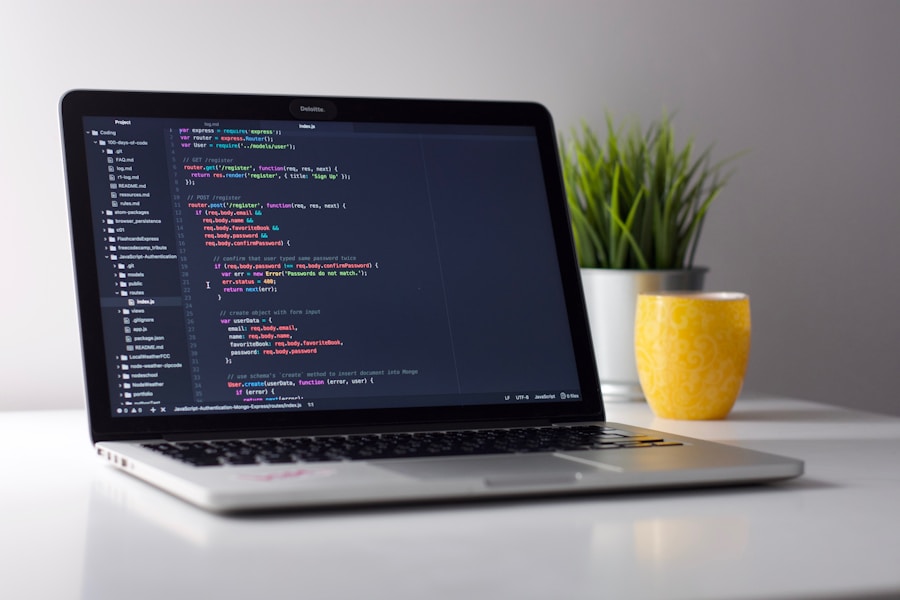
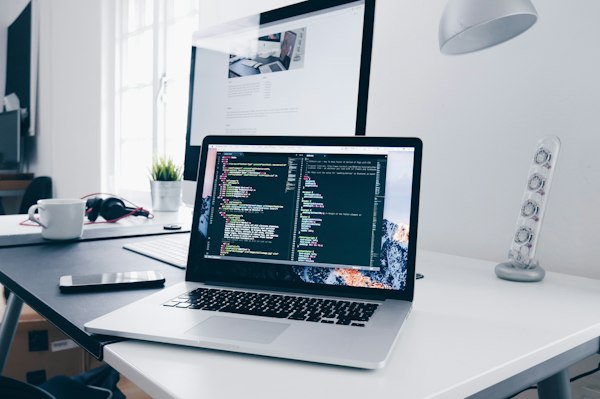
The World Behind the Code
The spaces, screens, and moments where these languages come to life




Arabic Summary · ملخص بالعربية
ملخص: 5 لغات برمجة تستحق تعلمها في عام 2026
في عالم تتطور فيه التقنيات بسرعة مذهلة، أصبح اختيار لغة البرمجة المناسبة قراراً مصيرياً يحدد مسار المبرمج المهني لسنوات قادمة. هذا المقال يُرشدك عبر خمس لغات تجمع بين سوق عمل نشط ومستقبل واعد وأدوات متطورة — لا مجرد موضات عابرة.
إليك أبرز ما يجب أن تعرفه عن كل لغة:
-
Rust
Rust — سيد الأداء والأمان في الذاكرة صارت لغة رسمية في نواة Linux وداخل أنظمة Windows وAWS. نموذج الملكية (Ownership) فيها يُلغي فئات كاملة من الأخطاء الأمنية وقت التصميم. راتب متوسط 158,000 دولار أمريكياً. اخترها إن كنت تريد برمجة الأنظمة، WebAssembly، أو تطوير ألعاب بأداء عالٍ. صعبة التعلم — لكن كل ساعة مستثمرة فيها تُسدَّد بفائدة مضاعفة.
-
Go
Go (Golang) — العمود الفقري للسحابة الحديثة صممها مهندسو Google وتشغّل Docker وKubernetes وTerraform. التزامن (Goroutines) يجعل كتابة خدمات متوازية بسيطاً بشكل غير مسبوق. راتب متوسط 152,000 دولار. سهلة التعلم نسبياً وملفاتها التنفيذية صغيرة وسريعة التصميم — الخيار الأمثل لمطور الـ Backend والـ DevOps.
-
Python
Python — اللغة الرسمية لعصر الذكاء الاصطناعي كل إطار عمل كبير في الذكاء الاصطناعي — PyTorch، TensorFlow، LangChain، Hugging Face — يعمل على Python أولاً. توقعات نمو وظائف علم البيانات 25% حتى 2030. راتب متوسط 148,000 دولار. أسهل لغة للمبتدئين وأقوى لغة لمهندسي الذكاء الاصطناعي. لا يوجد بديل يقاربها في اتساع السوق.
-
Swift
Swift — بوابة نظام Apple الواسع تشغّل 2.2 مليار جهاز Apple، وتتوسع الآن إلى الخوادم عبر Vapor وإلى الحوسبة المكانية عبر visionOS. راتب متوسط 155,000 دولار. إن كنت تريد بناء تطبيقات iOS، macOS، أو الواقع المكاني — فSwift هي اللغة الوحيدة التي تتيح لك ذلك بشكل احترافي.
-
Kotlin
Kotlin — خليفة Java القوي والمتعدد المنصات ابتدأت كلغة Android، والآن تُشغّل خوادم Spring Boot وتشارك الكود بين iOS وAndroid عبر Kotlin Multiplatform (KMP) الذي تبنّته Netflix وPhilips وMcDonald’s. راتب متوسط 150,000 دولار. اللغة الأذكى لكل من يريد تطوير تطبيقات متعددة المنصات.
الخلاصة الأخيرة: لا توجد لغة “صح” واحدة — توجد لغة صح بالنسبة لك بناءً على المجال الذي تريد دخوله. هل تريد الذكاء الاصطناعي؟ Python. السحابة والخوادم؟ Go أو Kotlin. الأداء العالي والأنظمة؟ Rust. نظام Apple؟ Swift. الأداة ليست الهدف — المهارة في توظيفها هي ما يُميّزك. ابدأ واحدة، أتقنها، ثم انتقل إلى التالية. القرار الوحيد الخاطئ هو عدم البدء أصلاً.
Leave a Reply
You must be logged in to post a comment.