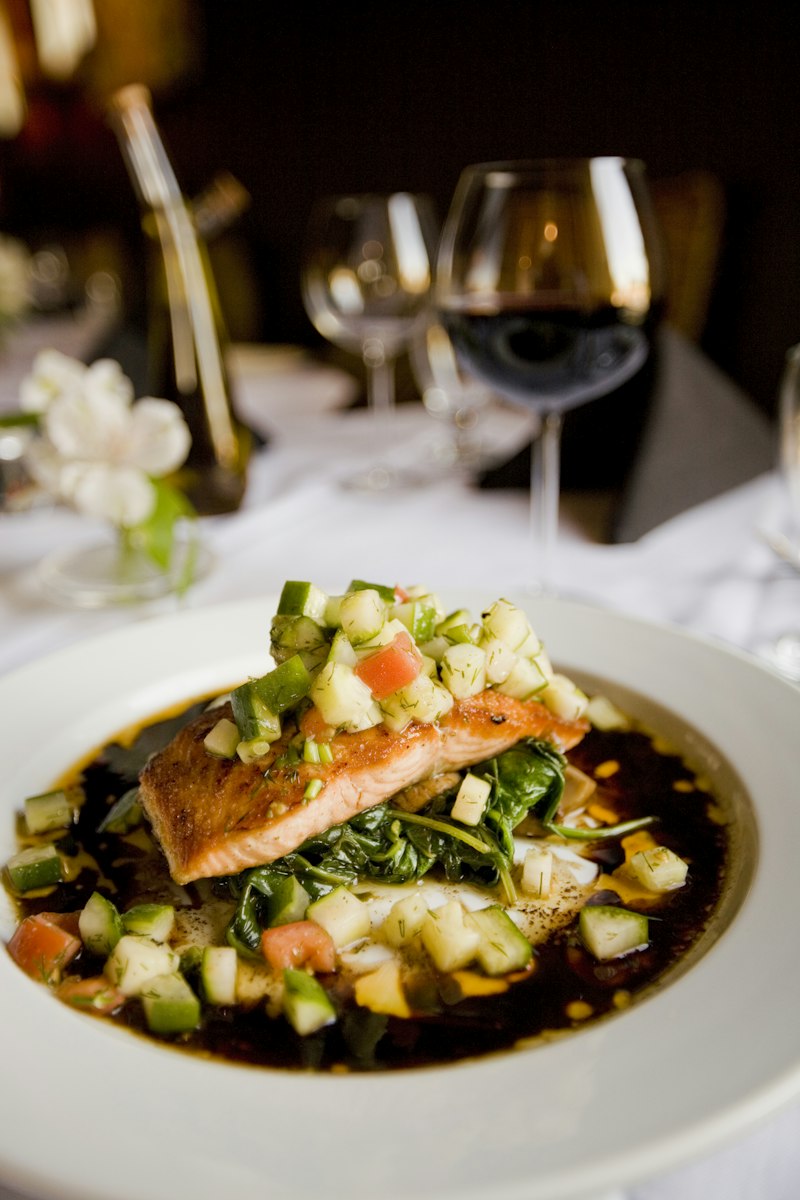
تحضير الوجبات للمبتدئين: وفّر وقتك وكُل بشكل أفضل
Meal Prep for Beginners:
Save Time & Eat Better
“Sunday was chaotic. By Wednesday, I was ordering takeout again. Then I discovered meal prep — and my whole week transformed.”
Meal prepping isn’t a fitness influencer fad or a chore reserved for the ultra-disciplined. It’s simply the practice of preparing some or all of your meals in advance — and it’s one of the highest-leverage habits you can build. The average person makes over 200 food decisions per day. Meal prep collapses that to a handful of intentional choices on one afternoon. The result: better nutrition, less stress, more money in your pocket, and an hour back every single weekday.
The Beginner’s Complete System
Five stages that take you from overwhelmed to organised in your very first week.
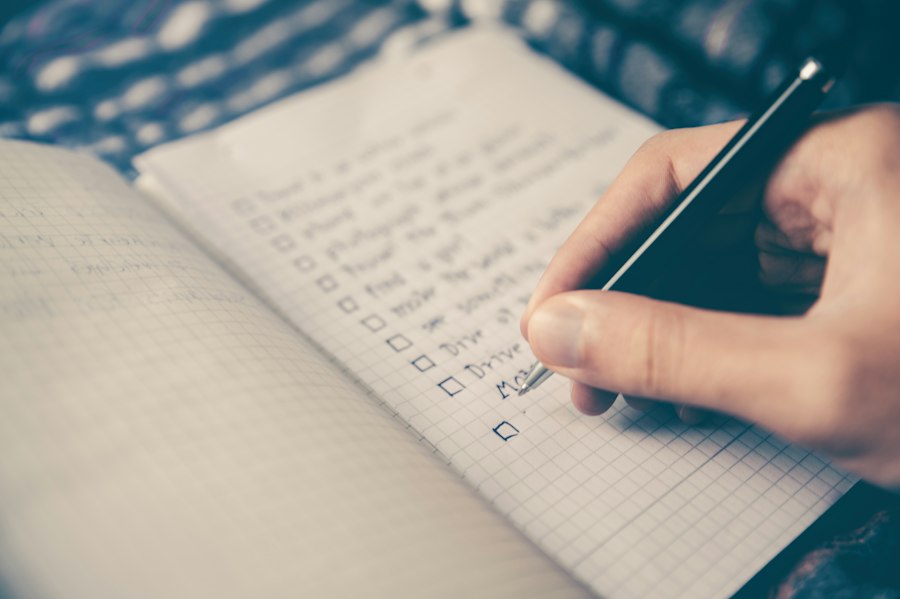
Plan Before You Shop — The 15-Minute Sunday Ritual
The biggest meal prep mistake is skipping the planning stage and heading straight to the store. Spend 15 minutes every Sunday choosing 2–3 proteins, 2–3 grains or starches, and 4–5 vegetables that mix and match across the week. Think in “components,” not full recipes — roasted chicken thighs can become a grain bowl on Monday, a wrap on Tuesday, and a salad topping on Wednesday. This modular approach prevents boredom and waste simultaneously.
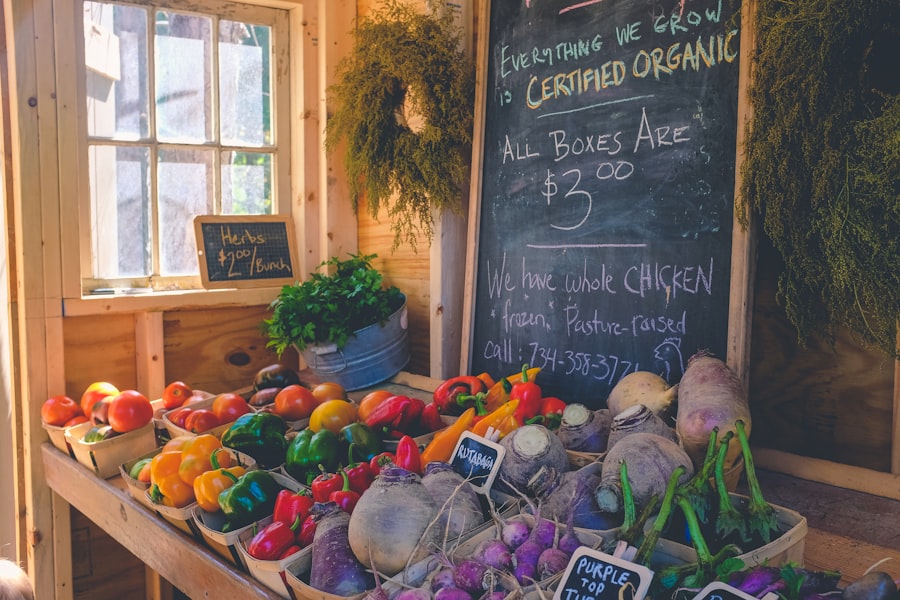
Shop Smart — One Trip, No Stress
A well-structured grocery list is the difference between a focused 30-minute shop and an hour of aimless wandering with an overflowing basket. Organise your list by store section: produce → protein → grains → dairy → pantry. Buy in bulk for items you’ll use weekly — oats, rice, lentils, canned tomatoes, olive oil. Prioritize seasonal produce for both flavour and cost. Keep a running pantry list on your phone so you never double-buy or discover mid-prep that you’re out of olive oil.
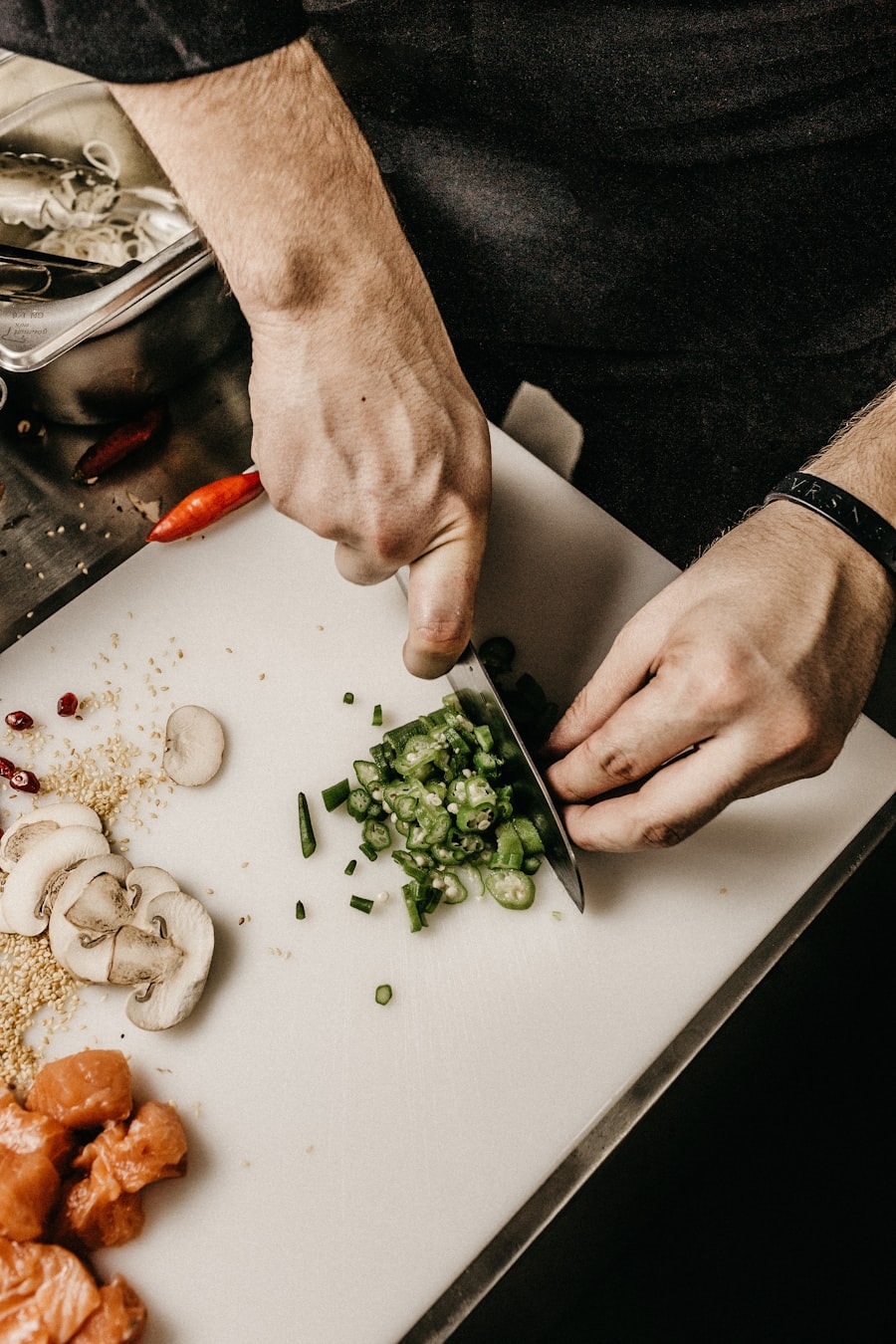
Batch Cook Like a Pro — The 90-Minute Method
Efficient batch cooking is about working all your appliances simultaneously. While your grains cook on the stovetop, roast two sheet pans of vegetables in the oven, and marinate your protein. Start with the longest-cooking items: grains first (25–45 min), then proteins, then quick-cook vegetables. Wash, chop, and prep all raw vegetables before turning on any heat — mise en place isn’t just for restaurants. With practice, you’ll have a week’s worth of components ready in under 90 minutes.
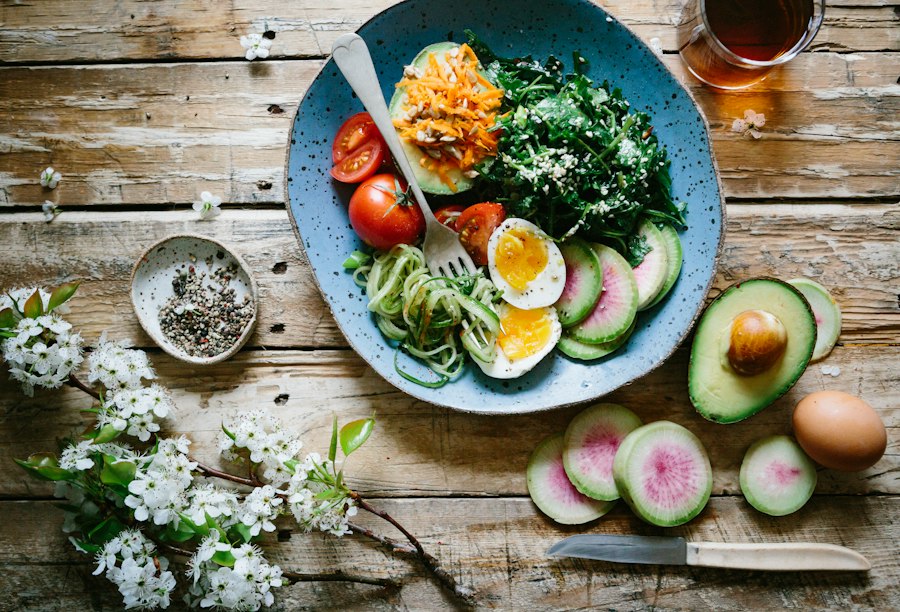
Store It Right — Containers & Fridge Strategy
Poor storage is where meal prep efforts die. Invest in a set of quality glass containers in 2–3 sizes — glass keeps food fresher longer, doesn’t stain, and goes straight from fridge to microwave. Store components separately rather than fully assembled meals where possible; this extends freshness and maximises flexibility. Keep prepped items at eye level in the fridge so they’re the first thing you see. Label everything with the prep date using masking tape and a marker. Eat in order of freshness: fish on day 1–2, chicken on days 2–4, grains and legumes last up to 5 days.
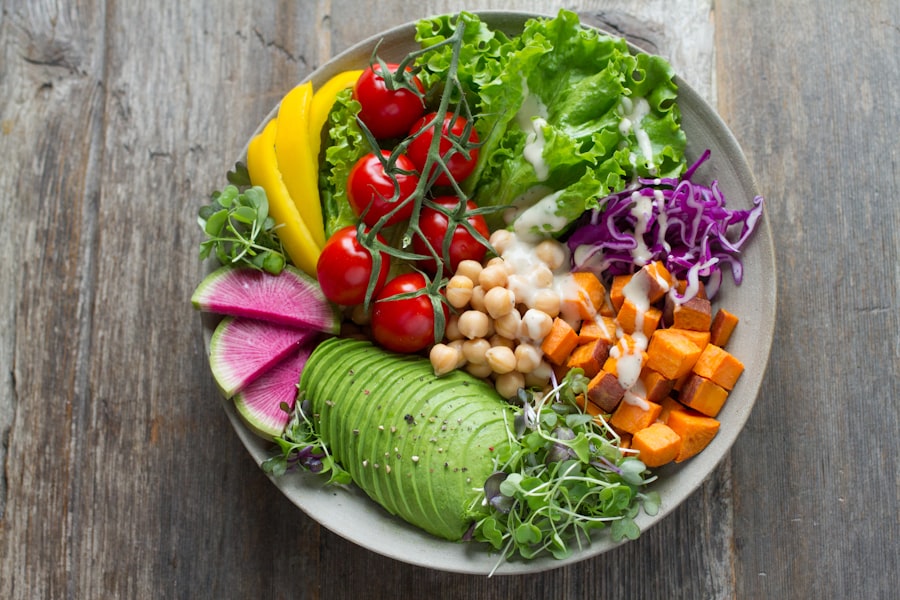
Assemble & Enjoy — Making Each Meal Feel New
The myth that meal prep means eating the same boring thing every day is just that — a myth. Your prepped components become a kitchen pantry you assemble on demand. Monday’s chicken might become a Thai-inspired rice bowl with peanut sauce and cucumber. Tuesday it’s a Mediterranean wrap with hummus and roasted vegetables. Rotate your sauces and dressings — a well-stocked sauce shelf (tahini, soy-ginger, harissa, chimichurri) turns identical base ingredients into entirely different meals every day.
“Meal prep is not about perfection. It’s about giving your future self a head start when the week gets hard.”— Every Meal Prepper After Week Three
6 Perfect Beginner Batch-Cook Recipes
High-yield, forgiving, and delicious — these are the recipes that turn beginners into regulars.
 Protein + Grain
Sheet Pan Chicken & Roasted Veg
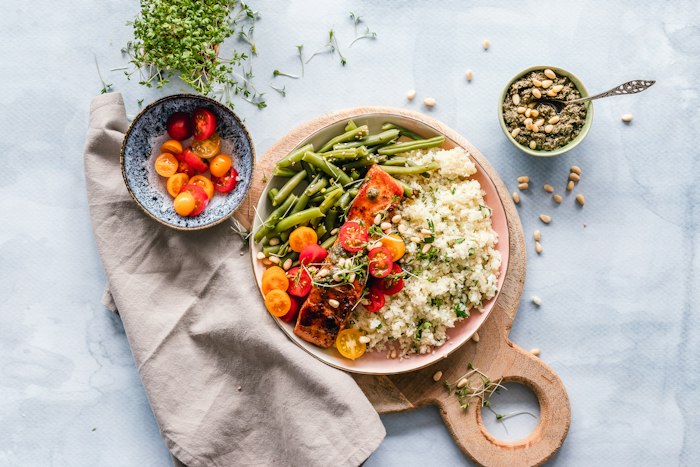
Toss chicken thighs and seasonal vegetables with olive oil, garlic, and herbs. Roast at 200°C for 35 minutes. Serves 4–5 meals with virtually no active cooking time.
 Plant-Based
Spiced Red Lentil Soup
A one-pot wonder with red lentils, tomatoes, cumin, and coriander. Freezes beautifully, costs under $3 per batch, and provides protein and fibre for the entire week.
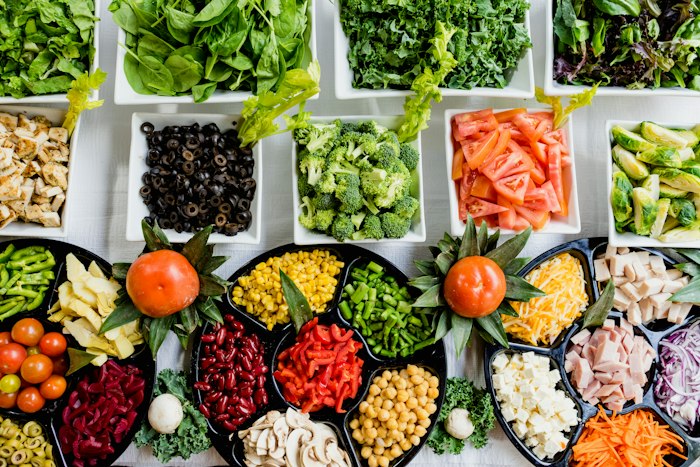 Breakfast
Overnight Oats — 5 Jars at Once
Mix oats, milk, chia seeds, and your topping of choice in mason jars. Refrigerate overnight. Five breakfasts done in 10 minutes — vary toppings to keep each one different.
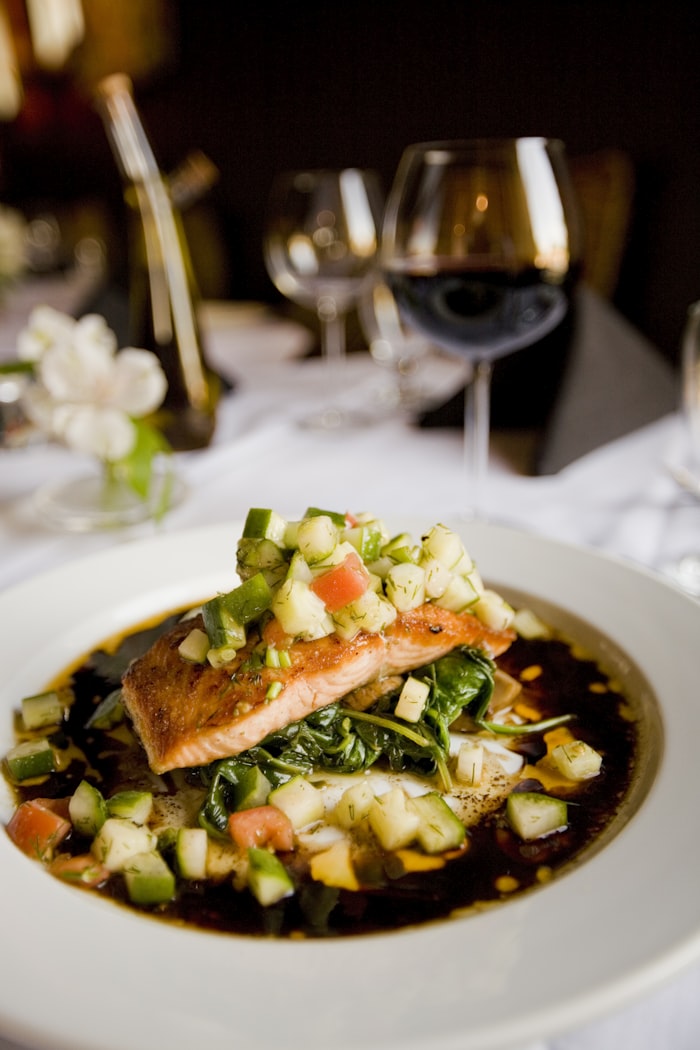 Grain Base
Herbed Quinoa & Chickpea Salad
Cook a large batch of quinoa and toss with chickpeas, cucumber, parsley, and lemon. Stores for 5 days, works as a side or a main, and gets better as the flavours develop.
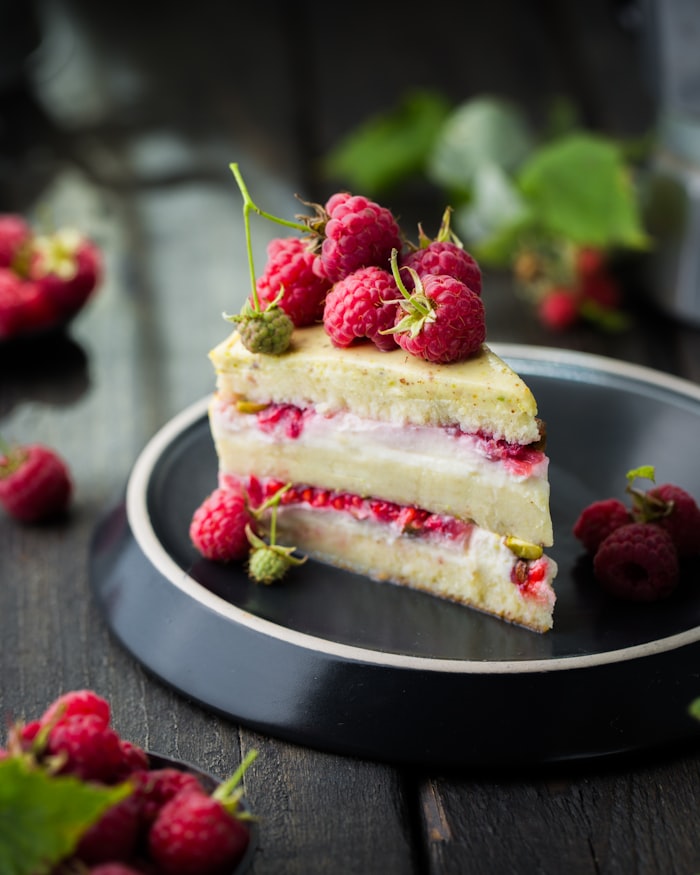 Snack & Breakfast
Egg & Vegetable Muffin Cups
Whisk eggs with chopped vegetables and cheese, pour into a muffin tin, and bake for 20 minutes. Twelve grab-and-go protein-packed snacks or breakfasts, ready in one bake.
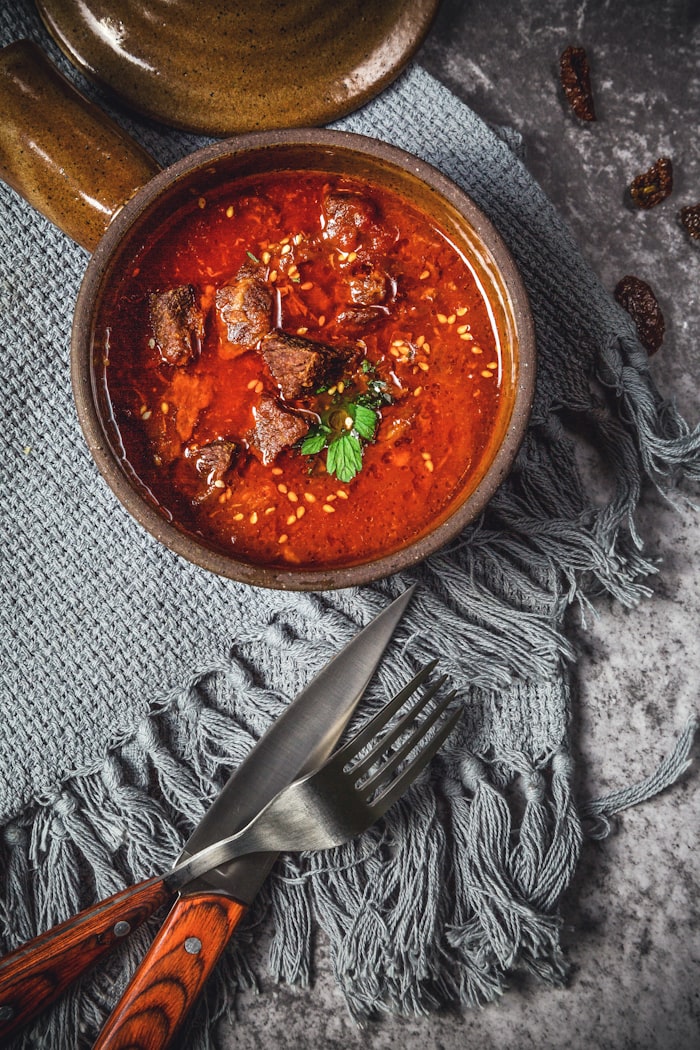 Snacks
No-Bake Energy Balls
Blend oats, peanut butter, honey, and dark chocolate chips, roll into balls, and refrigerate. Twenty snacks ready in 15 minutes — perfect for mid-afternoon cravings all week.
How Long Does Prepped Food Last?
Knowing freshness windows is the single most important safety and quality rule in meal prep.
| Food Type | Fridge (days) | Freezer (months) | Best Storage Method | Reheat Method | Quality |
|---|---|---|---|---|---|
| Cooked chicken / turkey | 3–4 days | 3–4 months | Airtight glass container | Microwave with splash of water | Excellent |
| Cooked fish / seafood | 1–2 days | 3 months | Glass, separate from grains | Low heat in pan | Good |
| Cooked rice / quinoa | 5 days | 3 months | Airtight container, cooled fast | Microwave with damp paper towel | Excellent |
| Cooked lentils / beans | 5 days | 4–6 months | Glass jar with lid | Stovetop or microwave | Excellent |
| Roasted vegetables | 4–5 days | 2 months (texture changes) | Glass container, single layer | Oven or air fryer to crisp up | Very good |
| Raw cut vegetables | 3–5 days | Not recommended | Damp paper towel in container | Eat raw or quick sauté | Excellent |
| Soups & stews | 4–5 days | 4–6 months | Glass or BPA-free freezer bag | Stovetop on low heat | Excellent |
| Overnight oats | 5 days | Not recommended | Mason jars with lids | Eat cold or room temp | Perfect |
| Hard-boiled eggs | 1 week (unpeeled) | Not recommended | Original shell, in a bowl | Eat cold | Good |
| Dressings & sauces | 7–14 days | 2 months | Glass jar, sealed | Room temperature | Excellent |
10 Tips That Separate Good Preppers From Great Ones
The small habits that make meal prep faster, cheaper, and more enjoyable every week.
Start with just 3 meals, not 21
Beginners who try to prep every meal burn out in week two. Start by prepping only lunches, or just breakfasts. Once that’s automatic, add a second category.
Invest in a good knife — it changes everything
A sharp chef’s knife halves your active prep time. You don’t need an expensive knife, just one that’s regularly sharpened. It’s the single best kitchen investment for a meal prepper.
Cook grains in bulk — always
Rice, quinoa, farro, and oats are the backbone of any meal prep. Double or triple the portion every time you cook them. They keep 5 days and form the base of dozens of meals.
Use the freezer as a second fridge
Portion cooked soups, grains, and proteins into freezer bags before they age. Build a rotating freezer stock and you always have a meal available, even on weeks you skip prep.
Prep your snacks, not just meals
Most diet derailment happens at 3pm, not at lunch. Pre-portion nuts, cut fruit, and portion hummus with vegetables. Having healthy snacks immediately available prevents 90% of vending-machine moments.
Keep a “sauce shelf” that rotates weekly
Make or buy 2–3 sauces or dressings each week. Tahini, harissa, miso-ginger, chimichurri — these are what make the same chicken taste like four different cuisines across the week.
Never wash mushrooms until you cook them
This applies to most delicate produce — moisture is the enemy of freshness. Store unwashed, dry vegetables in breathable bags or paper towels and they’ll last significantly longer.
Prep to music or podcasts — protect the ritual
The people who stick with meal prep long-term treat it as personal time, not a chore. Find what makes 90 minutes in the kitchen enjoyable for you — that association is what makes the habit stick.
Do a mid-week “mini prep” on Wednesdays
A 20-minute Wednesday refresh — washing more greens, boiling extra eggs, assembling a quick sauce — bridges the gap between Sunday prep and weekend, when most people fall off.
Track what you eat and what you waste
Every item you throw away is a data point. After 4 weeks of tracking waste, you’ll have precise insight into exactly how much food to prep — eliminating the over-buying and under-eating that costs most people money.
Your First Meal Prep Shopping List
Stock these categories once and you’ll always have the building blocks for a healthy week.
Proteins
- Chicken thighs (bone-in)
- Eggs (dozen)
- Canned tuna / salmon
- Red lentils (dried)
- Chickpeas (canned)
- Greek yoghurt
- Firm tofu
- Black beans (canned)
Vegetables
- Broccoli / cauliflower
- Sweet potatoes
- Baby spinach
- Bell peppers (mixed)
- Cherry tomatoes
- Cucumber
- Zucchini
- Frozen edamame
Grains & Staples
- Brown rice (2 kg bag)
- Quinoa
- Rolled oats
- Wholegrain pasta
- Olive oil (large)
- Garlic (bulb)
- Vegetable stock
- Tinned tomatoes
Sauces & Flavour
- Tahini
- Soy sauce / tamari
- Harissa paste
- Dijon mustard
- Apple cider vinegar
- Lemons (4–6)
- Cumin, paprika, turmeric
- Peanut butter (natural)
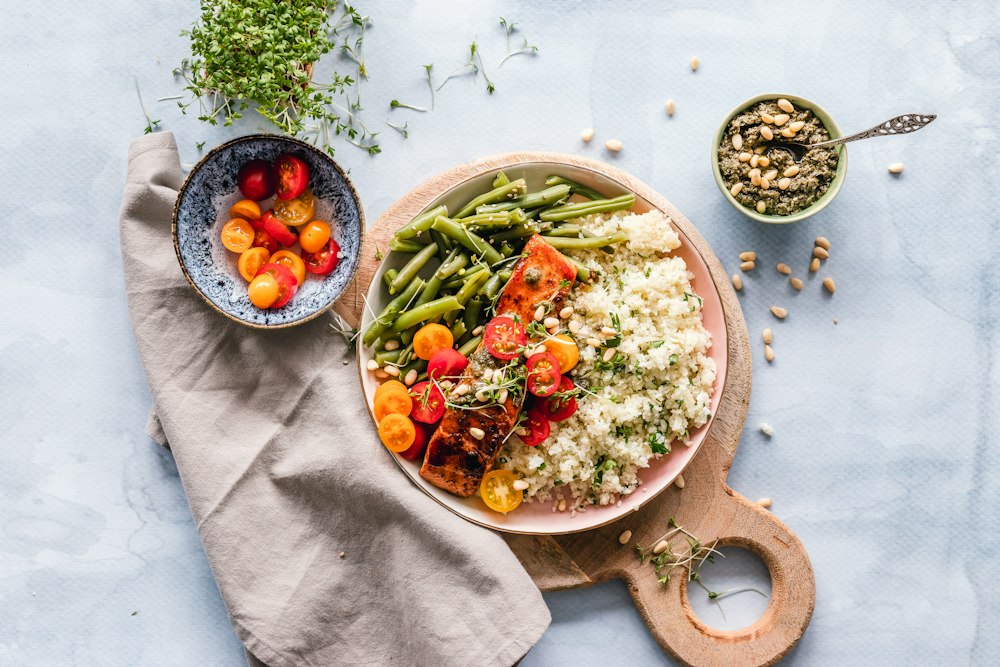
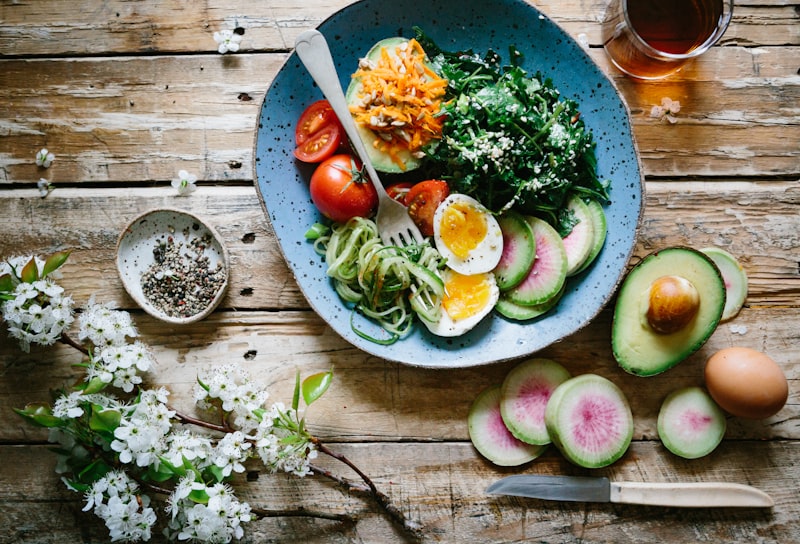
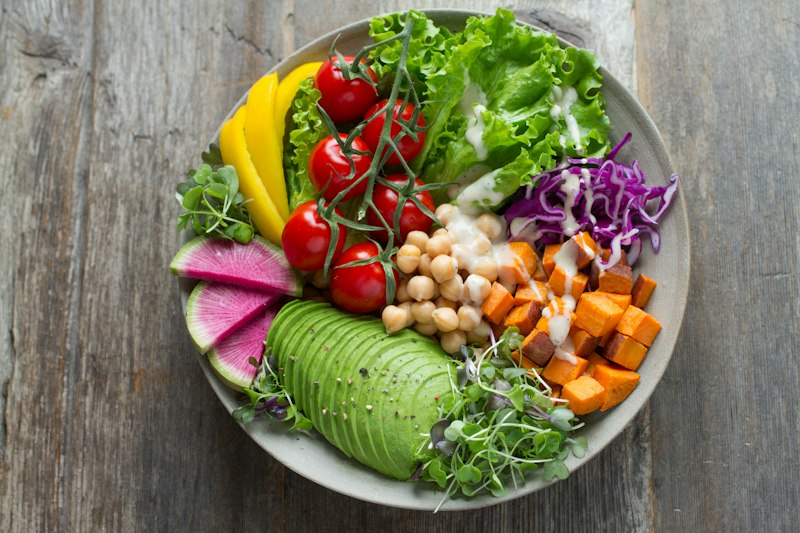
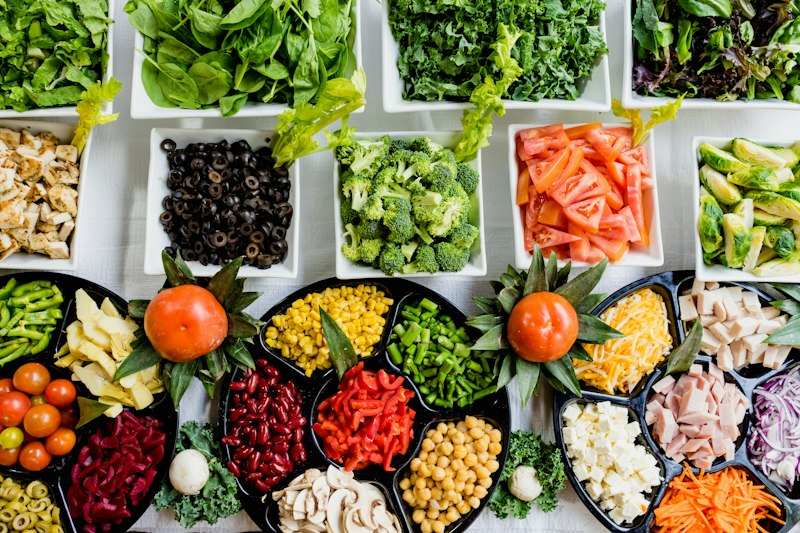
A Week of Beautiful Food
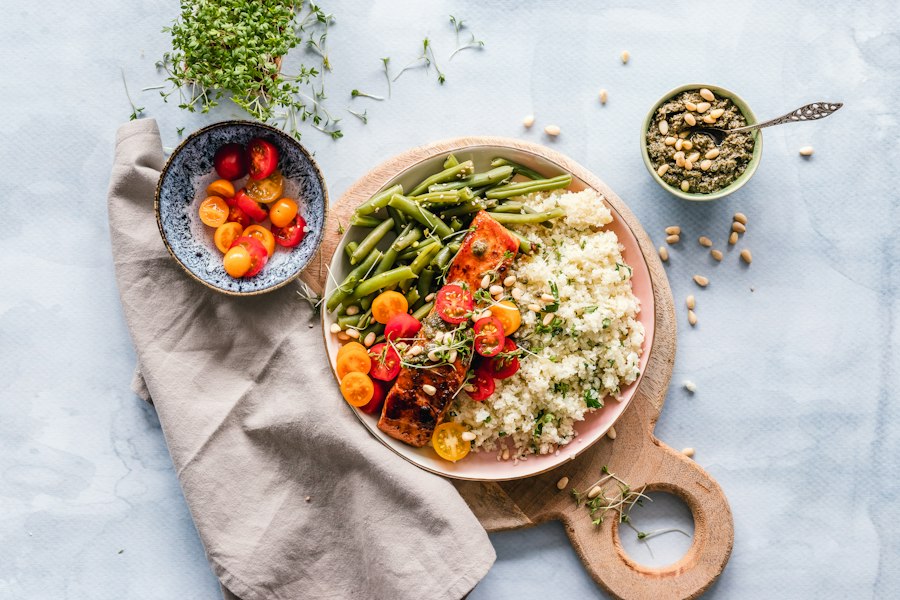
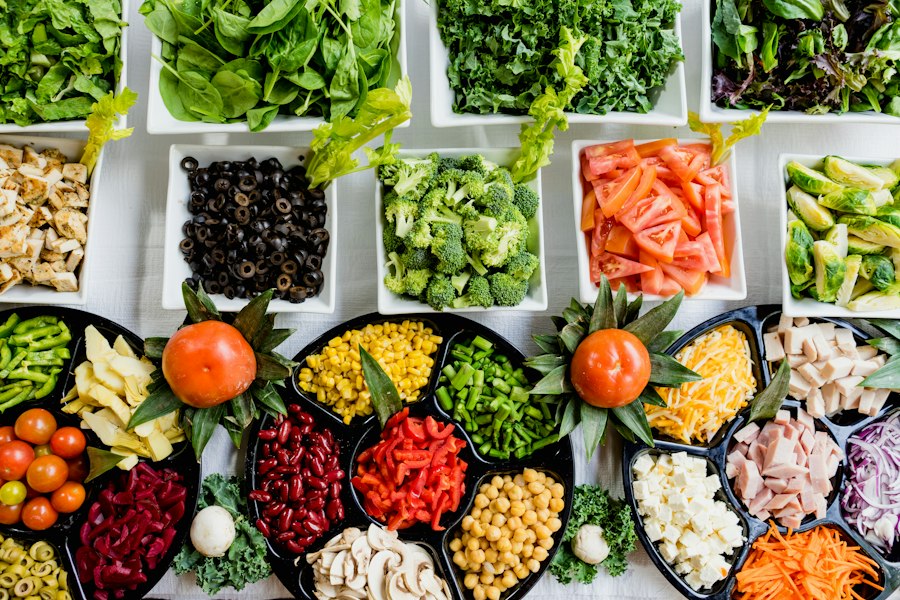
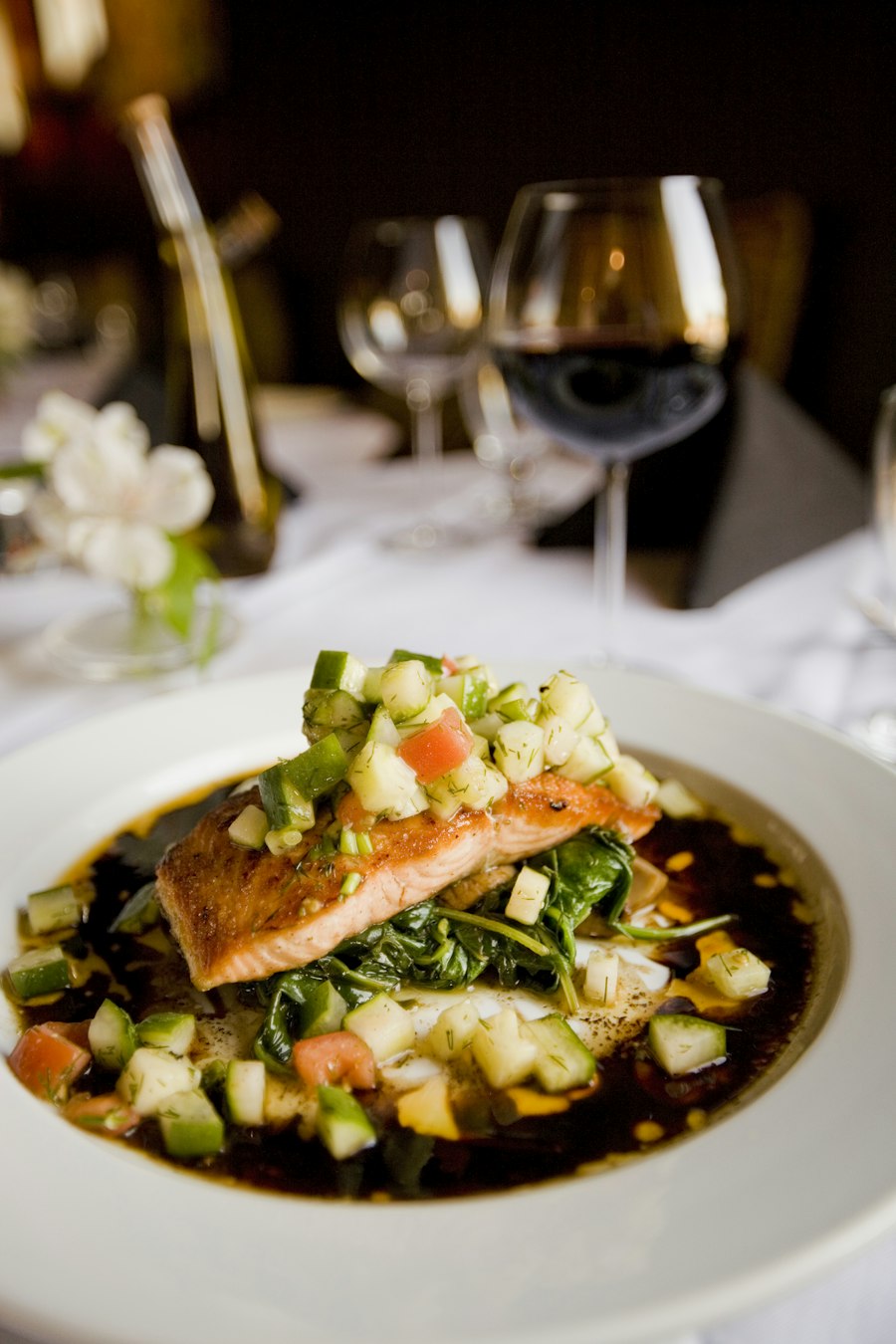
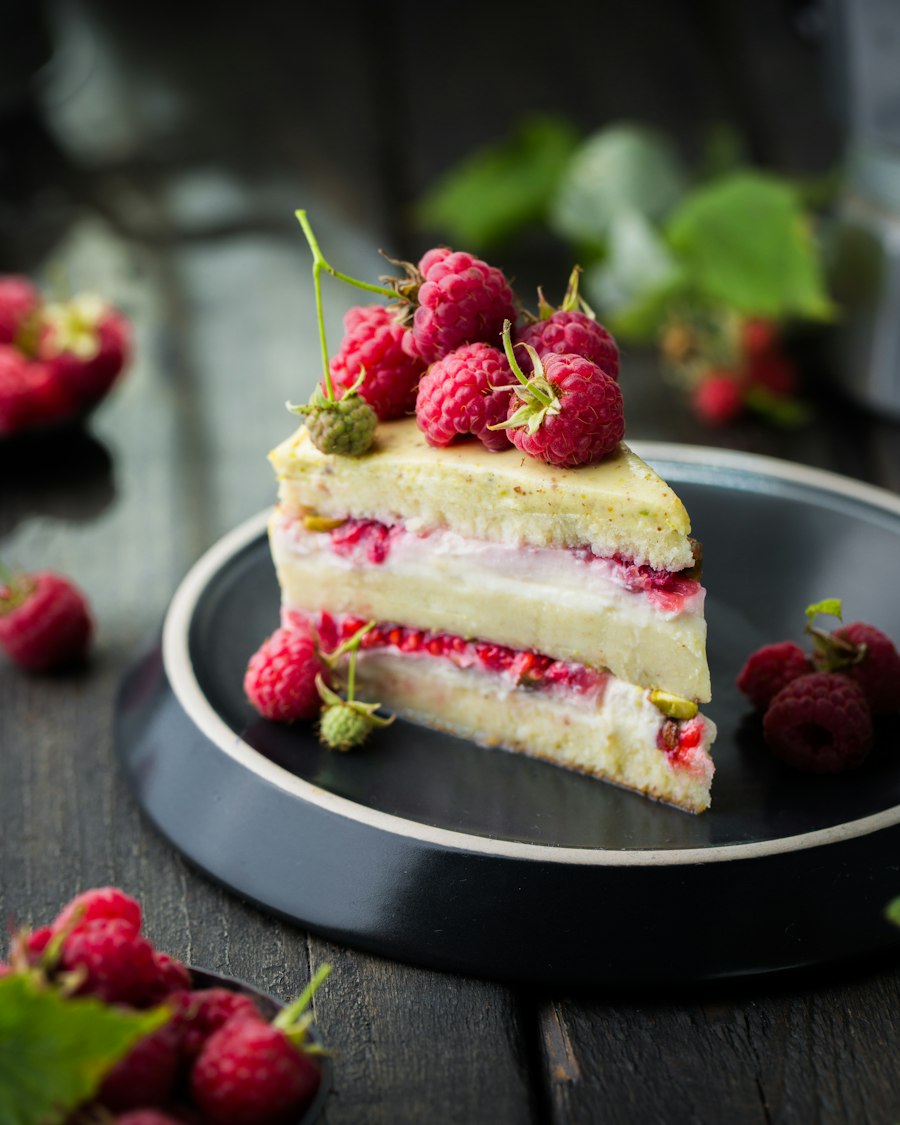
تحضير الوجبات للمبتدئين: وفّر وقتك وكُل بشكل أفضل
تحضير الوجبات ليس موضة من مؤثري اللياقة ولا طقساً للمنضبطين فقط — إنه ببساطة عادة تُعِدّ خلالها بعض أو كل وجباتك مسبقاً. ساعتان كل أحد يمكنهما أن تُوفّر عليك الإجهاد والمال ويحسّنا تغذيتك طوال الأسبوع. هذا دليلك الكامل من الصفر.
خطّط قبل أن تتسوّق — طقس الأحد الـ 15 دقيقة
أكبر خطأ في تحضير الوجبات هو تخطّي مرحلة التخطيط والتوجه مباشرة للمتجر. خصّص 15 دقيقة كل أحد لاختيار 2-3 مصادر بروتين، 2-3 حبوب ونشويات، و4-5 خضروات تتشارك في صنع وجبات مختلفة طوال الأسبوع.
تسوّق بذكاء — رحلة واحدة بلا توتر
نظّم قائمة مشترياتك حسب أقسام المتجر: خضروات ← بروتين ← حبوب ← ألبان ← مواد مجفّفة. اشترِ بالجملة ما تستخدمه أسبوعياً — الأرز، العدس، المعلبات. أعطِ الأولوية للموسمي للذوق والتوفير.
الطهي الجماعي — طريقة الـ 90 دقيقة
الكفاءة في الطهي الجماعي تعني تشغيل كل أجهزتك في نفس الوقت. بينما تُطهى الحبوب على الموقد، اشوِ الخضروات في الفرن وتبّل البروتين. ابدأ بالأطعمة الأبطأ طهياً وانتهِ بالسريعة.
التخزين الصحيح — الحاويات واستراتيجية الثلاجة
استثمر في حاويات زجاجية جيدة بـ 2-3 أحجام — الزجاج يحافظ على الطعام أطول، لا يتلوّن، ويذهب مباشرة من الثلاجة للميكروويف. خزّن المكوّنات منفصلة لمرونة أكبر وعمر أطول.
التجميع والاستمتاع — اجعل كل وجبة مختلفة
الأسطورة القائلة بأن التحضير المسبق يعني أكل نفس الشيء كل يوم هي مجرد أسطورة. دجاج الاثنين يتحول لطبق أرز تايلندي، ثم لفافة متوسطية الثلاثاء. اللمسة السحرية هي تنويع الصلصات كل أسبوع.
٦ وصفات مثالية للطهي الجماعي
دجاج وخضروات في الفرن — شوربة عدس بالتوابل — شوفان ليلي في 5 برطمانات — سلطة كينوا وحمص — مافن البيض والخضروات — كرات الطاقة بدون خبز. كل وصفة تعطي 4-6 وجبات بأقل من ساعة.
دليل تخزين الطعام المحضَّر
الدجاج المطهو: 3-4 أيام في الثلاجة — السمك: 1-2 يوم — الأرز والكينوا: 5 أيام — العدس والبقوليات: 5 أيام — الخضروات المشوية: 4-5 أيام — الشوفان الليلي: 5 أيام — الصلصات والتتبيلات: 7-14 يوماً. الفريزر خيار ممتاز لمعظم هذه الأصناف.
ما يُميّز المحترفين عن المبتدئين
ابدأ بـ 3 وجبات فقط لا 21 — استثمر في سكين جيد — احتفظ دائماً بكميات ضاعفة من الحبوب — استخدم الفريزر — حضّر وجباتك الخفيفة أيضاً — احتفظ برف صلصات يتغير أسبوعياً — اجعل التحضير وقتاً ممتعاً مع الموسيقى — أضف تحضيراً صغيراً الأربعاء — تتبّع ما تهدره لتضبط الكميات.
تحضير الوجبات لا يتعلق بالكمال — يتعلق بمنح نفسك في المستقبل انطلاقة جيدة حين يصعب الأسبوع. ساعتان كل أحد يمكنهما أن تُغيّرا علاقتك بالطعام، محفظتك، ومستوى طاقتك تغييراً جذرياً. ابدأ صغيراً، كن منتظماً، وسرعان ما سيصبح الأمر ثاني طبيعة لك.
Leave a Reply
You must be logged in to post a comment.