
العملات الرقمية في 2026: ما الذي يحدث فعلاً؟
Cryptocurrency
in 2026
What’s Actually
Happening
Beyond the hype and the crashes — a clear-eyed look at where crypto stands today, who’s winning, and what it means for the global financial system.
In 2026, cryptocurrency stopped being a question of “if” and became a question of “how much, how fast, and who controls it.”
The cycle of euphoria and despair that defined crypto’s first decade has given way to something more interesting and more consequential: institutional normalcy. BlackRock, Fidelity, and sovereign wealth funds are now among the largest holders of Bitcoin. The US, EU, and Singapore have all enacted landmark crypto regulation frameworks. And a new generation of blockchain infrastructure is quietly powering supply chains, medical records, and real estate titles in ways most people don’t realize.
But it’s not all smooth sailing. CBDCs are colliding with DeFi. Ethereum’s dominance is being challenged. Meme coins and scams still cost retail investors billions annually. And the question of who crypto actually serves — the many or the few — remains as contested as ever.
Here’s the unvarnished state of cryptocurrency in mid-2026.
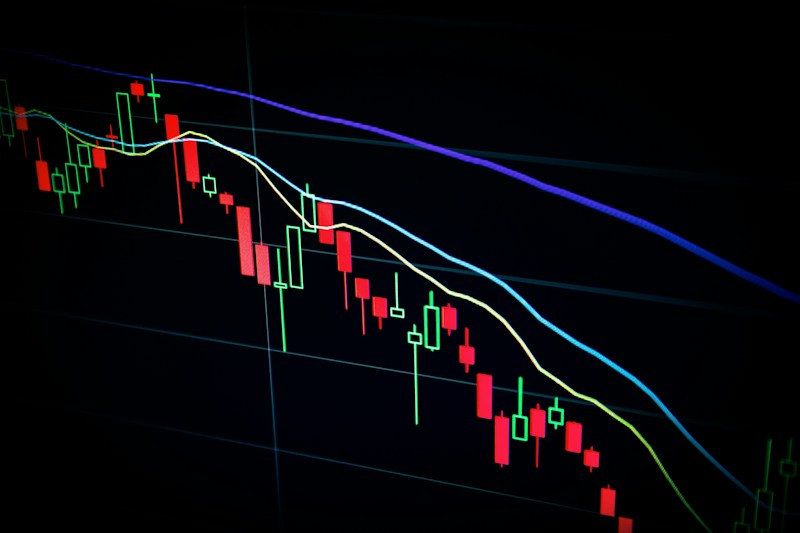 01
Bitcoin
01
Bitcoin
Bitcoin Hits $112K — and Stays There
Store of Value · Institutional Adoption
Unlike previous cycles, Bitcoin’s 2025–2026 bull run has been characterized by remarkably low volatility. Spot ETFs now hold over 1.2 million BTC. The US Strategic Bitcoin Reserve — announced in Q4 2025 — added another 200,000 coins. With supply capped, demand from institutions is structurally outpacing new issuance. This isn’t the same Bitcoin narrative from 2021.
 02
Ethereum
02
Ethereum
Ethereum’s Identity Crisis — and Its Resolution
Layer 2 · Smart Contracts · DeFi
After years of “Ethereum killers” promising to dethrone it, the network’s Layer 2 ecosystem has become its greatest strength. Arbitrum, Base, and Optimism collectively process more transactions per day than Visa. ETH itself has seen 80% of its supply burned since The Merge, making it deflationary. The bear case has structurally weakened.
“We are no longer asking whether blockchain will reshape finance. We are watching it happen in real time — in settlement layers, in custody, in sovereign bond issuance.”
— Christine Lagarde, European Central Bank, March 2026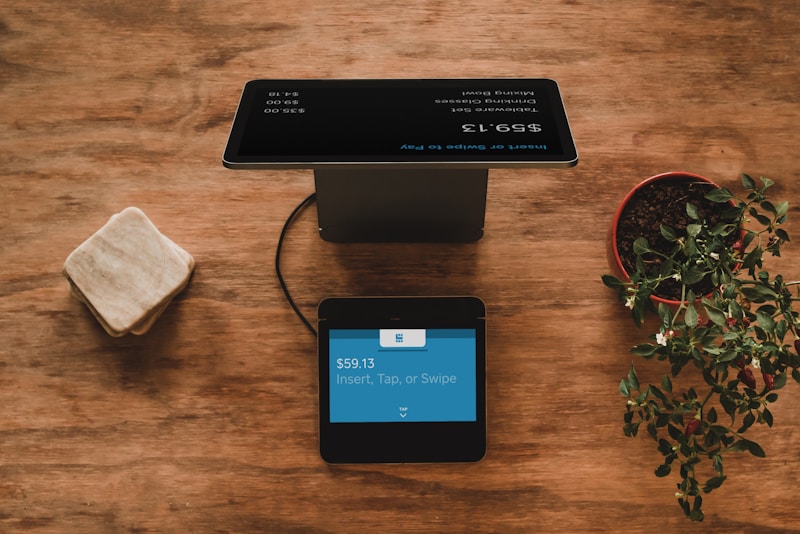 03
CBDCs
03
CBDCs
CBDCs Go Live — and the Pushback Begins
Central Bank Digital Currencies · Regulation · Privacy
The Digital Euro launched in April 2026 to 340 million potential users. China’s e-CNY has passed 2 billion wallets. But a fierce counter-movement has emerged — privacy advocates, libertarians, and a surprising number of central bankers themselves are warning about surveillance infrastructure disguised as monetary policy. The debate has become the defining civil liberties question of the decade.
 04
DeFi · RWA
04
DeFi · RWA
Real-World Assets Come On-Chain
Tokenization · Real Estate · Bonds · Commodities
The biggest quiet revolution in crypto is the tokenization of real-world assets. BlackRock’s BUIDL fund now holds $12 billion in tokenized US Treasuries. Singapore is settling government bonds on-chain. Real estate platforms in Dubai and Miami are allowing fractional property ownership via NFT-style tokens. This is DeFi growing up — and it’s enormous.
 05
Altcoins · Solana
05
Altcoins · Solana
Solana’s Consumer Crypto Moment
Layer 1 · Mobile · Payments · Gaming
Solana has quietly become the chain of choice for consumer crypto applications. Its Saga phone series moved over 3 million units. DePIN (Decentralized Physical Infrastructure Networks) projects using Solana are rewarding people for providing internet bandwidth, GPS data, and sensor readings. Payments at Shopify, Stripe, and dozens of major merchants now settle on Solana rails in under a second for fractions of a cent.
 06
Risks · Scams
06
Risks · Scams
The Shadow Side: Scams, Hacks & the Retail Trap
Consumer Protection · Fraud · Regulation
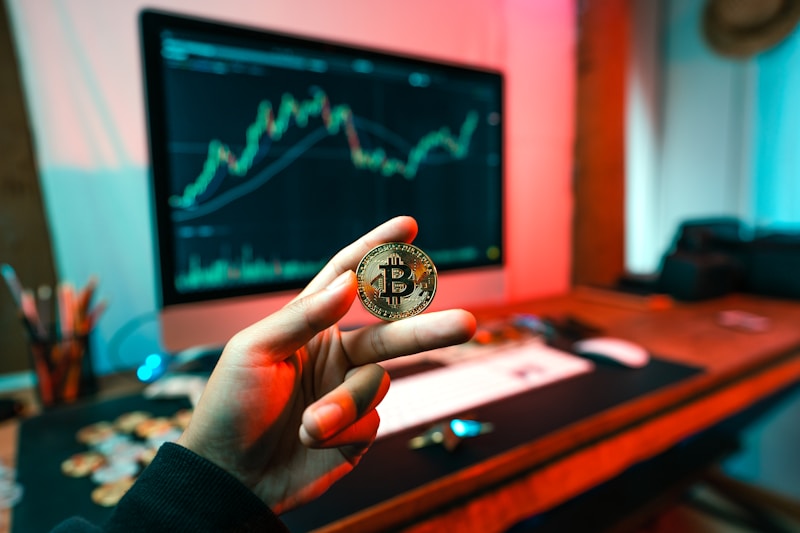
For every genuine innovation, there are ten schemes designed to extract money from retail participants. In 2025, crypto fraud cost global users $14.3 billion — a record. AI-generated deepfakes of Elon Musk and other tech figures promoting fake token launches became an epidemic. The SEC’s new disclosure requirements, effective Q1 2026, have helped — but enforcement remains a global coordination challenge.
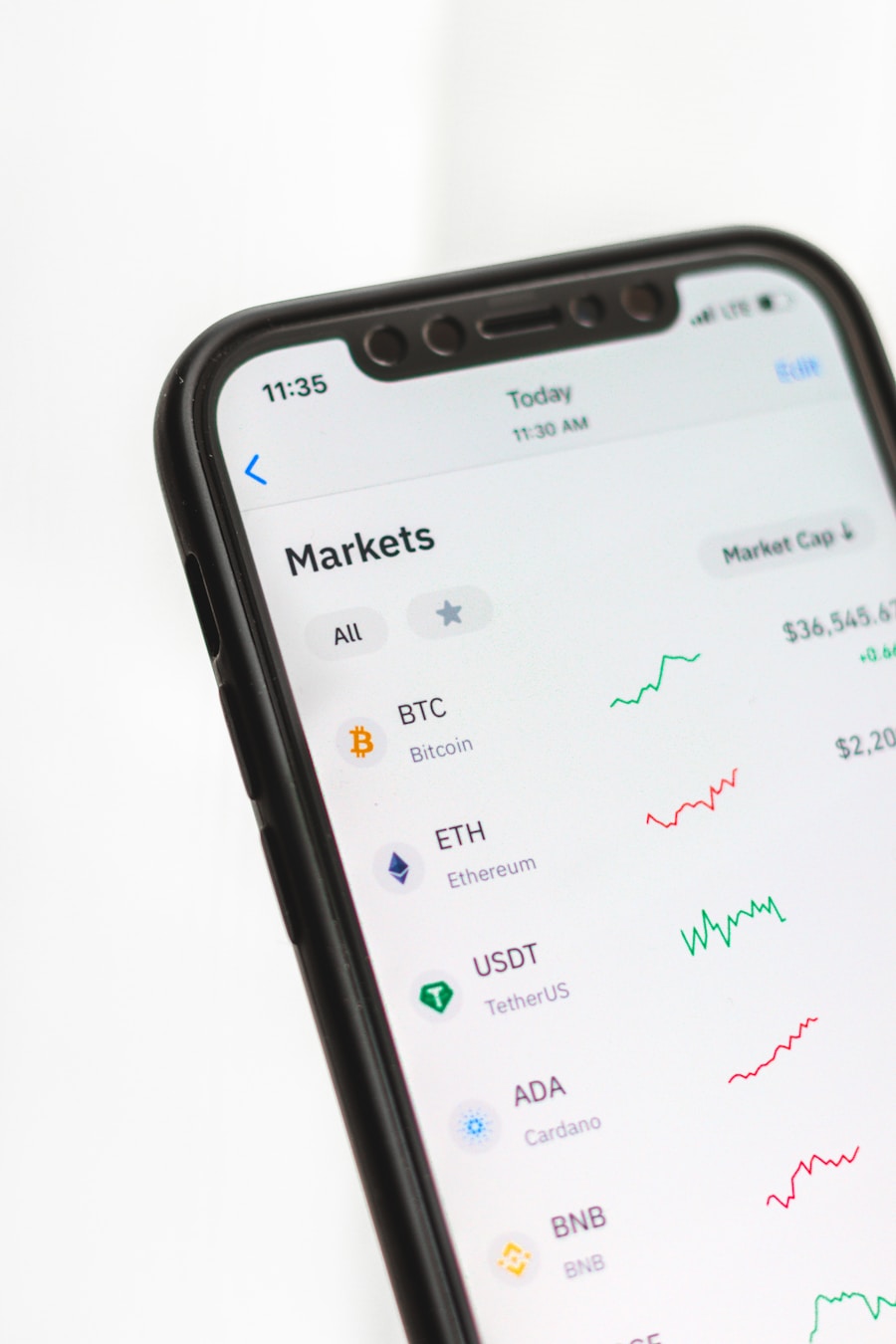
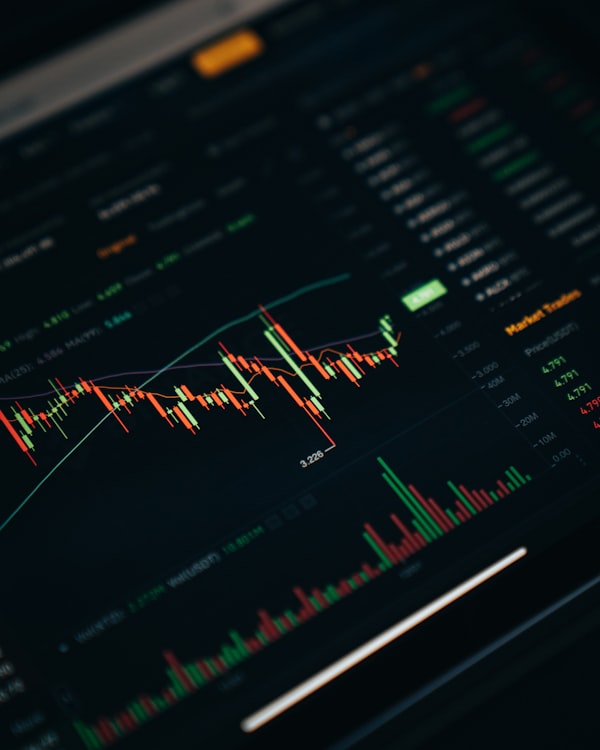
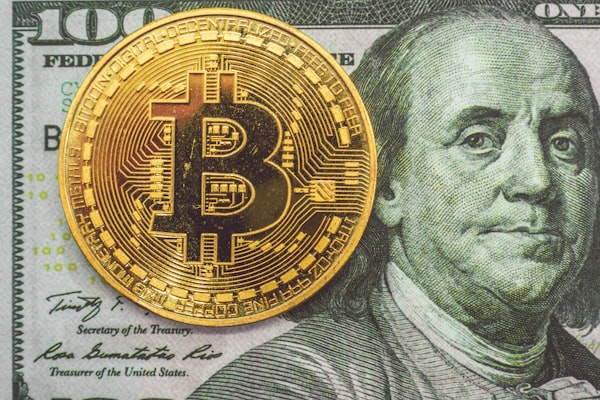
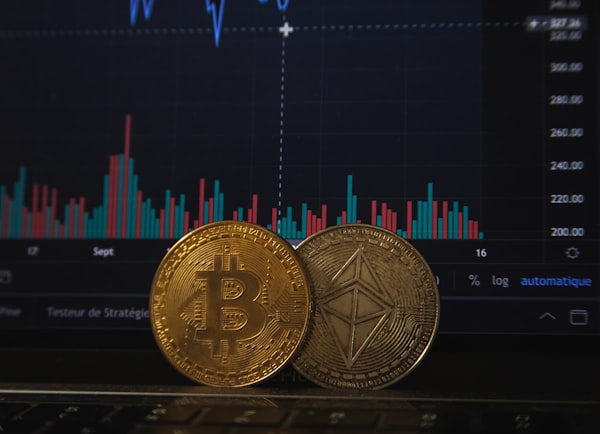
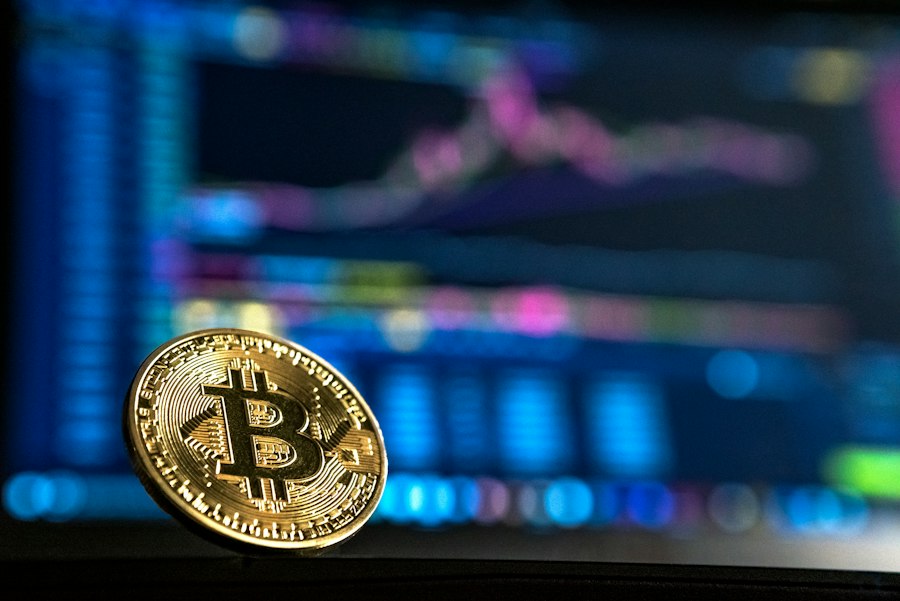
The Visual World of Crypto in 2026
From trading floors to hardware wallets — the faces and places defining digital finance today




Arabic Summary · ملخص بالعربية
العملات الرقمية في 2026: ملخص شامل لما يحدث فعلاً
يشهد عالم العملات الرقمية في عام 2026 تحولاً جذرياً بعيداً عن المضاربات الحادة والنقاشات النظرية، نحو تبنٍّ مؤسسي حقيقي وتنظيم قانوني واضح وتطبيقات عملية تمس حياة الناس اليومية. لم تعد الأسئلة “هل ستنجح العملات الرقمية؟” بل “كيف ستعيد تشكيل النظام المالي العالمي؟”
إليك أبرز ما يحدث في منتصف عام 2026:
-
₿
بيتكوين عند 112 ألف دولار تجاوز البيتكوين حاجز 100 ألف دولار وثبّت عنده في ظل انخفاض ملحوظ في التذبذب، بفضل صناديق المؤشرات المتداولة (ETF) واحتياطي الولايات المتحدة الاستراتيجي من البيتكوين
-
◆
إيثيريوم وثورة Layer 2 تحولت شبكات الطبقة الثانية (Arbitrum, Base, Optimism) إلى عمود فقري للتمويل اللامركزي، وتعالج يومياً معاملات تتخطى شبكة فيزا
-
🏛
العملات الرقمية الحكومية (CBDCs) انطلق اليورو الرقمي رسمياً في أبريل 2026 ليخدم 340 مليون مواطن، فيما تجاوزت محافظ اليوان الرقمي الصيني ملياري محفظة، مع مخاوف متصاعدة على الخصوصية
-
🏠
توكنة الأصول الواقعية (RWA) تجاوزت قيمة الأصول الحقيقية المنقولة إلى البلوك تشين 340 مليار دولار، شاملةً سندات الخزانة الأمريكية والعقارات والسلع
-
⚡
سولانا وتطبيقات المستهلكين أصبحت سولانا البنية التحتية المفضلة للمدفوعات اليومية والهواتف الذكية المشفّرة، مع تسويات فورية بتكلفة أقل من سنت واحد
-
⚠️
الاحتيال يُكلّف 14.3 مليار دولار سجّل عام 2025 رقماً قياسياً في عمليات الاحتيال المرتبطة بالعملات الرقمية، مع انتشار مقاطع الذكاء الاصطناعي المزيفة للمشاهير
الخلاصة: لم يعد السؤال “هل تستثمر في العملات الرقمية؟” بل أصبح “كيف تفهم النظام المالي الجديد الذي تُعيد تشكيله؟” — سواء كنت مستثمراً أو مطوراً أو مواطناً عادياً. البنية التحتية للعالم المالي القادم تُبنى الآن، وفي وقت أسرع بكثير مما يدرك معظم الناس. ابقَ مطلعاً، تشكّك في كل ما تقرأه، واعلم أن كل موجة صعود تحمل في طيّاتها فرصاً حقيقية وإغراءات زائفة بالتساوي.
Leave a Reply
You must be logged in to post a comment.