




الصيام المتقطع: مراجعة صادقة بعد ٦ أشهر
Intermittent Fasting:
A 6-Month Honest Review
“What if I just… stopped eating breakfast?” That one question changed six months of my life in ways I never expected.
In January, I decided to try intermittent fasting — specifically the 16:8 protocol, where you eat within an 8-hour window and fast for 16 hours. I had no dramatic health crisis, no doctor’s orders. Just curiosity, a bit of extra weight I’d been ignoring, and a friend who wouldn’t stop raving about it. Six months later, here’s what actually happened — the good, the bad, and the genuinely surprising.
The Unfiltered Journey
Every month felt like a different experiment. Here’s what each phase actually taught me.

The Hunger Games
I won’t romanticize it — the first month was brutal. My eating window was noon to 8pm, which meant no morning coffee with milk, no casual breakfasts. The hunger headaches between 9–11am were real. I was irritable by day 3, and by day 7 I was Googling “is intermittent fasting dangerous.” But I stuck with it, mostly out of stubbornness.

The Body Adapts
Something shifted around day 35. The hunger became manageable — almost scheduled. I found I could work productively in the mornings without eating, which surprised me because I’d always believed I was a “breakfast person.” Black coffee became my best friend. The scale moved, but more exciting was the mental clarity I started experiencing before noon.

Finding the Rhythm
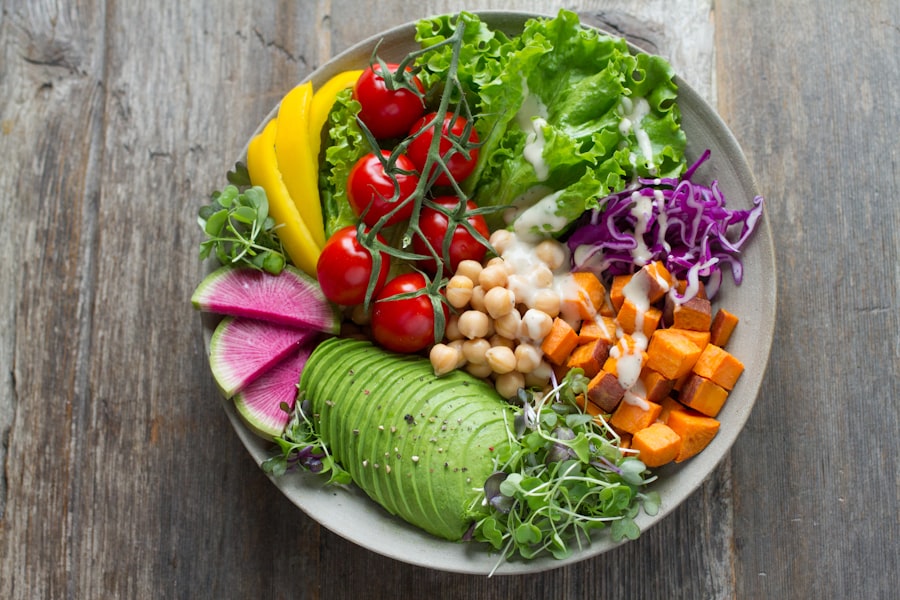
By March I had found my groove. I was naturally gravitating toward whole foods during my eating window — not because I was restricting, but because I had fewer hours to eat and wanted to feel good. My relationship with food changed: I ate more intentionally. I also started exercising in a fasted state in the mornings and noticed I didn’t feel as sluggish as expected.

The Dreaded Plateau
April humbled me. The weight loss slowed to almost nothing — just 0.4 kg in four weeks. I panicked and started reading everything about metabolic adaptation. I tried extending my fast to 18 hours twice a week, added more protein, and focused on quality of sleep. The plateau broke eventually, but it taught me that IF is not a magic trick — it still requires attention to what and how much you eat.
Social Life vs. Fasting
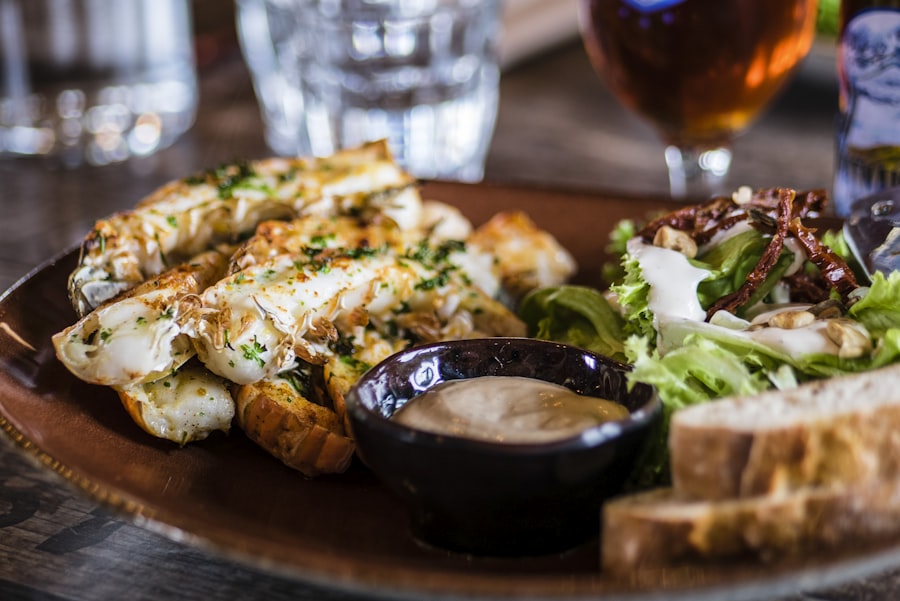
May brought summer gatherings, brunches, and social meals. I learned to flex my window — shifting it to 10am–6pm for weekend brunches, or 1pm–9pm for dinner events. The social friction was less than expected; most people didn’t notice or care. The key lesson: IF works best when you treat it as a flexible tool, not a rigid religion. Flexibility kept me consistent for the long haul.

The Honest Results
Six months later, I’ve lost 11 kg, but that’s almost not the most interesting part. My blood sugar is more stable, my afternoon energy crashes are gone, and I think about food differently — less emotionally, more practically. The 16:8 is now second nature. I don’t miss breakfast at all. What I gained wasn’t just weight loss; it was a completely new relationship with eating, hunger, and my body.
“Intermittent fasting didn’t change what I ate as much as it changed how I thought about hunger — and that was worth more than any number on the scale.”— 6 Months In, Still Going Strong
What Actually Happens in Your Body
The mechanisms that make intermittent fasting more than just skipping breakfast.
Metabolic Switch
After 12–16 hours of fasting, your body shifts from burning glucose to burning stored fat (ketones). This metabolic flexibility is the core mechanism behind IF’s fat-loss effectiveness.
Autophagy Activation
Extended fasting triggers autophagy — your cells’ self-cleaning process, breaking down and recycling damaged components. Researchers link this to anti-aging and anti-cancer benefits.
Insulin Sensitivity
Fasting periods allow insulin levels to drop significantly, improving insulin sensitivity. This helps the body process glucose more efficiently and reduces type 2 diabetes risk over time.
BDNF & Brain Power
Fasting boosts Brain-Derived Neurotrophic Factor — a protein that supports neuron growth and protects against neurodegenerative disease, explaining the clarity many people experience while fasted.
Growth Hormone Surge
Human growth hormone can increase by up to 5× during fasting periods. HGH plays a key role in muscle preservation, fat burning, and cellular repair — all critical during IF.
Circadian Alignment
Time-restricted eating aligns food intake with the body’s natural circadian biology. Eating within daylight hours may improve metabolic markers more than calorie restriction alone.
6-Month Biomarker Comparison
Tracked monthly alongside a doctor. Results vary — this is my personal data.
| Metric | Before IF (January) | After 6 Months (June) | Change |
|---|---|---|---|
| Body Weight | 87.3 kg | 76.2 kg | ↓ 11.1 kg ✓ |
| Body Fat % | 26.4% | 19.8% | ↓ 6.6% ✓ |
| Fasting Blood Sugar | 102 mg/dL | 88 mg/dL | ↓ 14 mg/dL ✓ |
| LDL Cholesterol | 148 mg/dL | 121 mg/dL | ↓ 27 mg/dL ✓ |
| Triglycerides | 196 mg/dL | 139 mg/dL | ↓ 57 mg/dL ✓ |
| Energy Level (1–10) | 5.5 | 8.2 | ↑ +2.7 ✓ |
| Sleep Quality (1–10) | 5.8 | 7.6 | ↑ +1.8 ✓ |
| Morning Anxiety | Frequent | Rare | ↓ Improved ✓ |
| Muscle Mass | Baseline | −0.4 kg | Slight loss ✗ |
| Social Eating Ease | N/A | Moderate effort | Neutral |
10 Things I Wish I Knew Before Starting
Start with 14 hours, not 16
Jumping straight to 16:8 caused unnecessary suffering. A 14-hour fast for the first two weeks makes the transition far smoother and sustainable.
Black coffee is your superpower
It suppresses appetite without breaking your fast. Learning to enjoy black coffee was a game-changer for morning focus and hunger control.
Protein is non-negotiable
Eat at least 1.6 g of protein per kg of bodyweight during your eating window. It preserves muscle mass and keeps you satisfied much longer.
Electrolytes matter more than you think
Headaches and fatigue in week 1–2 are often electrolyte deficiency, not hunger. Salt your food and consider magnesium at night.
Don’t binge when the window opens
The biggest beginner mistake. Eating too fast or too much when fasting ends causes digestive issues and cancels many of the benefits you earned.
Flex your window on social days
Rigidity kills consistency. Shifting your eating window 2–3 hours for brunches or dinners is completely fine — long-term adherence is what counts.
Track your energy, not just weight
The scale lies during water retention phases. Tracking energy, mental clarity, and mood gives a far more accurate picture of real progress.
Sleep is part of your fast
Finishing dinner by 7–8pm and sleeping 8 hours means you’ve completed 9–10 hours of fasting before you even wake up. Use it.
Exercise timing is personal
Some thrive fasted; others need food first. Experiment in weeks 3–4 when your body has adapted, before locking in a workout routine.
It’s not for everyone — and that’s okay
IF doesn’t suit those with a history of disordered eating, certain medical conditions, or demanding athletic schedules. Always consult a doctor first.
Six Months in Pictures


الصيام المتقطع: مراجعة صادقة بعد ستة أشهر
في يناير، قررت تجربة نظام الصيام المتقطع 16:8 — الأكل خلال 8 ساعات يومياً والصيام لمدة 16 ساعة. لم يكن الأمر مثالياً من البداية، لكنه غيّر علاقتي بالطعام تماماً. إليكم ملخص الرحلة كاملةً شهراً بشهر بكل صدق وشفافية.
ألعاب الجوع
الشهر الأول كان صعباً للغاية — صداع في الصباح، توتر واضح، ورغبة شديدة في الأكل. فقدت 2.1 كيلوغرام، لكن الأهم أنني أثبتت لنفسي أنني قادر على الاستمرار رغم الصعوبة.
تكيّف الجسم
بدأ الجسم يتأقلم تدريجياً مع نمط الصيام. اختفى الجوع الصباحي وظهر وضوح ذهني مفاجئ قبل الظهر. فقدت 1.8 كيلوغرام وأصبح القهوة السوداء رفيقي الأساسي.
إيجاد الإيقاع الصحيح
وجدت نمطي الخاص وبدأت أمارس الرياضة في حالة الصيام. تحسّنت خياراتي الغذائية بشكل طبيعي دون إجبار، وفقدت 2.3 كيلوغرام — أفضل شهر حتى الآن.
التوقف المؤلم
الهضبة الاستقلابية ضربتني بقوة — فقدت 0.4 كيلوغرام فقط. راجعت استراتيجيتي، وزدت البروتين، واهتممت بجودة النوم حتى عاد التقدم من جديد.
الحياة الاجتماعية والصيام
تعلمت مرونة توقيت نافذة الأكل للتعامل مع المناسبات الاجتماعية والبرانشات. الصيام المتقطع أداة مرنة وليس دينًا صارمًا. فقدت 2.1 كيلوغرام إضافية.
النتائج الحقيقية
11 كيلوغرام مفقودة، سكر الدم استقر، الطاقة ثابتة طوال اليوم دون انهيارات مسائية، وعلاقة جديدة تماماً مع الطعام — هذا هو الإنجاز الأكبر على الإطلاق.
ماذا يحدث داخل جسمك؟
بعد 12-16 ساعة من الصيام، يتحول الجسم من حرق الغلوكوز إلى حرق الدهون المخزنة. كما يُنشط الصيام عملية الالتهام الذاتي (Autophagy)، ويحسّن حساسية الأنسولين، ويرفع هرمون النمو بنسبة قد تصل إلى 500%.
١٠ أشياء تمنيت معرفتها مسبقاً
ابدأ بـ 14 ساعة قبل 16، اشرب القهوة السوداء، ركّز على البروتين اليومي، تجنب الشراهة عند فتح النافذة، وكن مرناً اجتماعياً. الاستمرارية تهزم الكمال دائماً.
الصيام المتقطع ليس سحرًا وليس عقوبة — هو ببساطة إطار زمني يمنحك الوقت لتسمع جسدك من جديد. خسرت 11 كيلوغراماً في ستة أشهر، لكن الأهم أنني اكتشفت أن الجوع ليس طارئاً يجب إخماده فوراً، بل إشارة يمكن إدارتها ببساطة. إذا كنت تفكر في تجربته، ابدأ ببطء، واستشر طبيبك، وتذكّر دائماً: المرونة هي سرّ الاستدامة الحقيقية.
Leave a Reply
You must be logged in to post a comment.