لماذا يختار البدو الرقميون جنوب شرق آسيا؟
Why Digital
Nomads Are
Choosing
Southeast Asia
Sun-drenched beaches, blazing Wi-Fi, cost of living a fraction of London or New York — and a growing infrastructure built specifically for the laptop-and-passport generation.
In 2026, an estimated 40 million people work as digital nomads — and more than a third of them call Southeast Asia home for at least part of the year.
This is no accident. The region offers a combination that simply doesn’t exist anywhere else on Earth: world-class internet speeds in converted shophouses, a plate of pad thai or pho for less than $2, mountains and white-sand beaches within a 90-minute flight, and communities of like-minded remote workers dense enough that you’ll never feel isolated.
But the appeal runs deeper than cheap rent and good weather. A new generation of digital nomad visas, co-living spaces purpose-built for remote workers, and a cultural richness that rewards slow exploration have made Southeast Asia not just a cheap option — but the best option for a growing number of location-independent professionals.
Here’s exactly why — and where — they’re going.
 01
Cost of Living
01
Cost of Living
Reason #01
You Live Better for a Fraction of the Cost
Purchasing Power · Monthly Budget · Lifestyle Upgrade
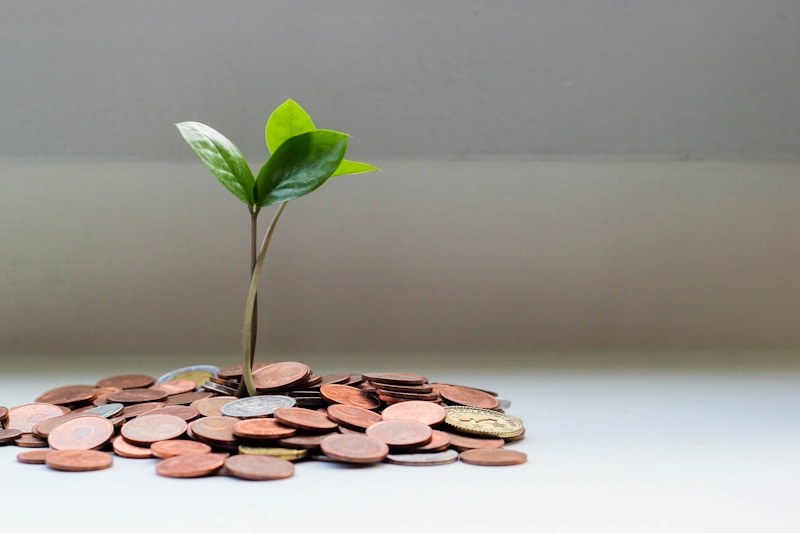
A digital nomad earning a US or European salary in Southeast Asia essentially gets a 60–80% raise the moment they land. A private room in a quality co-living space in Bali or Chiang Mai runs $400–600/month. A restaurant meal — not street food, a proper sit-down restaurant — rarely exceeds $8. Monthly health insurance costs less than a single co-pay back home. This isn’t about deprivation — it’s about buying a dramatically better life for dramatically less money. That’s the calculus that 40 million people have already run.
 02
Connectivity
02
Connectivity
Reason #02
The Internet Is Surprisingly Excellent
Fibre Speeds · Co-working · Mobile Data
The assumption that Southeast Asia means slow internet is a decade out of date. Singapore ranks among the world’s top five for average broadband speed. Thailand’s mobile network consistently outperforms the UK and Australia. Vietnam’s fibre rollout has been so aggressive that most mid-range apartments in Da Nang and Ho Chi Minh City now have 200Mbps symmetrical connections included in rent. Cafés across Bali, Canggu, and Chiang Mai have invested heavily in dedicated fibre lines to attract the remote worker market — a self-reinforcing cycle that keeps getting better every year.
“I earn in dollars, spend in baht, and live like I’m on a permanent holiday that somehow involves getting more work done than I ever did in London.”
— Sophie Ramsay, UX Designer, Chiang Mai, 2026 03
Legal & Visa
03
Legal & Visa
Reason #03
Dedicated Nomad Visas Are Finally Here
Long-Term Stay · Tax Clarity · Legal Status
For years, digital nomads lived in a legal grey zone — working remotely on tourist visas and crossing borders every 30–90 days. That era is over. Thailand’s Long-Term Resident (LTR) Visa offers 10-year residency with an 17% flat income tax rate. Indonesia’s “Second Home” visa allows 5-year stays. Malaysia’s DE Rantau pass is purpose-built for remote workers with zero income tax on foreign-sourced income. Vietnam, the Philippines, and Cambodia are all implementing similar frameworks. Southeast Asia has collectively decided that nomads are a desirable tax base — and is competing aggressively to attract them.
 04
Community
04
Community
Reason #04
The Community Density Is Unmatched Anywhere
Co-living · Networking · Social Infrastructure
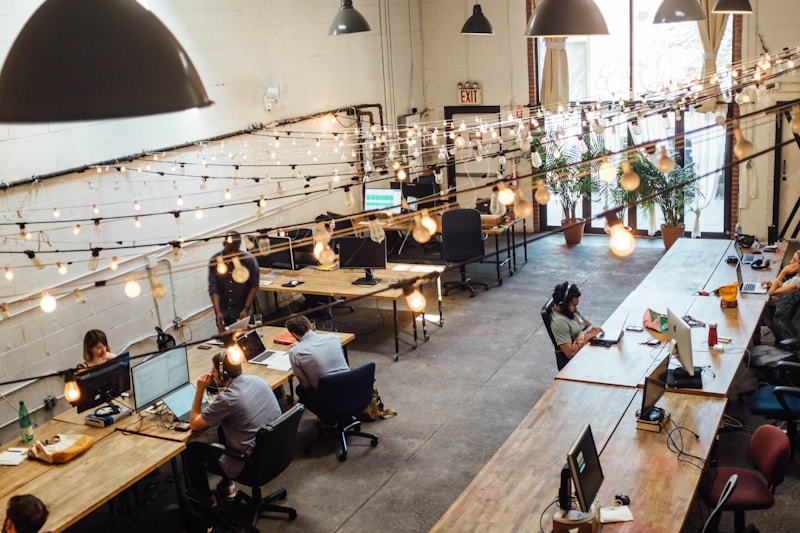
Loneliness is the number-one complaint among remote workers — and Southeast Asia’s nomad hubs have solved it. Bali alone has over 400 co-working and co-living spaces. Chiang Mai’s Nimman neighbourhood can feel like a startup campus. The communities that have formed here are not superficial — they are dense networks of entrepreneurs, designers, developers, writers, and creators who have chosen the same trade-off and built genuine social infrastructure around it. The weekly events, skill-sharing sessions, surf mornings, and jungle hikes make isolation structurally difficult.
 05
Culture & Food
05
Culture & Food
Reason #05
The Culture, Food & Warmth Are Genuinely Extraordinary
Cuisine · Cultural Depth · Local Welcome
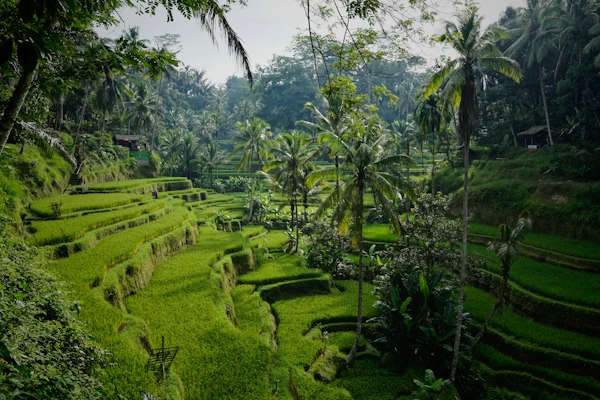
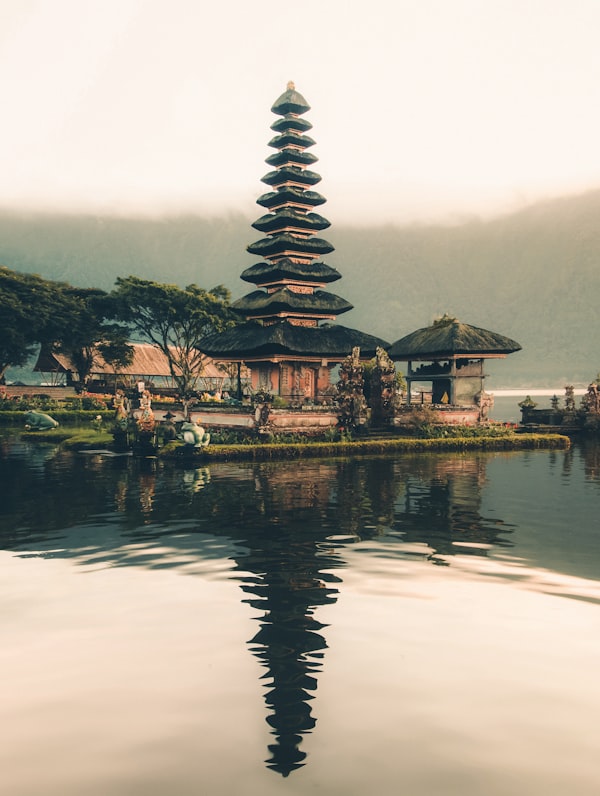
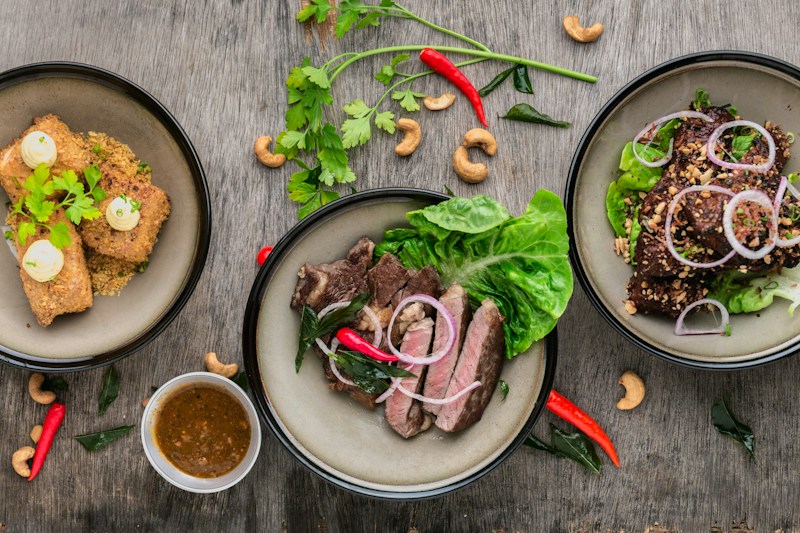
Southeast Asia contains some of the world’s most sophisticated culinary traditions — Thai, Vietnamese, Indonesian, Malaysian, Filipino — concentrated in a region smaller than Europe. The food alone justifies the move. But beyond the food, the warmth of local communities toward visitors, the depth of cultural and spiritual traditions, the temples and the rice fields and the ceremonies, provide a richness of daily life that no corporate relocation package can replicate. Living here slowly is living well.
 06
Nature & Adventure
06
Nature & Adventure
Reason #06
Nature and Adventure Are Always Just Around the Corner
Beaches · Jungles · Mountains · Diving
Finishing work at 5pm in Bali means surfing by 5:30. In Chiang Mai, it means a 40-minute drive to mountain trails. In the Philippines, it means an hour’s boat ride to one of the world’s great dive sites. This geographic density of world-class natural environments — coral reefs, active volcanoes, rice terraces, ancient rainforests, 3,000+ island archipelagos — within a region that can be crossed by budget flight in two hours is something no other part of the world offers at this scale. The weekends become the best part of the week.
 07
Healthcare
07
Healthcare
Reason #07
World-Class Healthcare at a Fraction of Western Prices
Medical Tourism · Private Hospitals · Insurance
Thailand and Singapore are international medical tourism destinations for a reason — Bumrungrad International Hospital in Bangkok is consistently ranked among Asia’s best, and its prices are 70–80% below equivalent US private care. Dental work in Thailand or Vietnam costs a tenth of UK or US prices with equivalent quality. International health insurance for a healthy 30-year-old runs $80–120/month and covers the entire region. For remote workers who’ve left behind employer healthcare, this combination of quality and affordability often removes the last practical barrier to going fully location-independent.
Monthly Budget: SEA vs. Western Cities
What a comfortable nomad lifestyle costs across the top four Southeast Asian hubs
- Coworking + housing$600
- Food (eating out daily)$120
- Transport$40
- Entertainment$60
- vs. London equivalent$4,200
- Villa + coworking$800
- Food + cafés$180
- Scooter rental$60
- Surf lessons etc.$80
- vs. NYC equivalent$5,800
- Apartment (sea view)$450
- Food & coffee$120
- Coworking pass$60
- Lifestyle$70
- vs. Sydney equivalent$4,500
- City-centre apartment$900
- Dining + groceries$200
- Metro & Grab$60
- Leisure$140
- vs. Amsterdam equiv.$4,800
 🇹🇭
🇹🇭
Chiang Mai
Thailand · The OG Nomad Capital
The city that invented the concept of nomad hubs. Dense coworking scene, ancient temples, mountain trekking, and night markets. Year-round digital nomad community of 15,000+.
 🇮🇩
🇮🇩
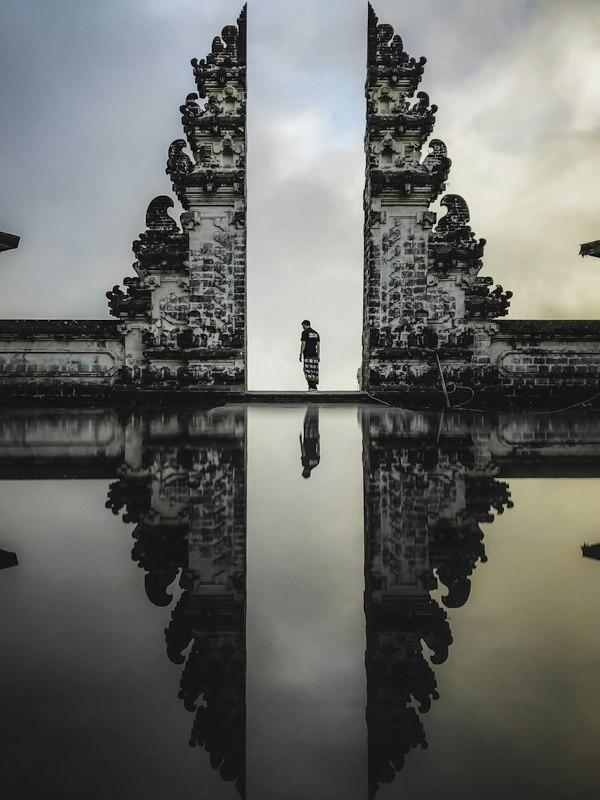
Bali / Canggu
Indonesia · The Lifestyle Capital
World’s most Instagrammed nomad destination for good reason. Surf breaks, rice terraces, incredible food, spiritual culture, and the world’s densest concentration of co-living spaces.
 🇻🇳
🇻🇳
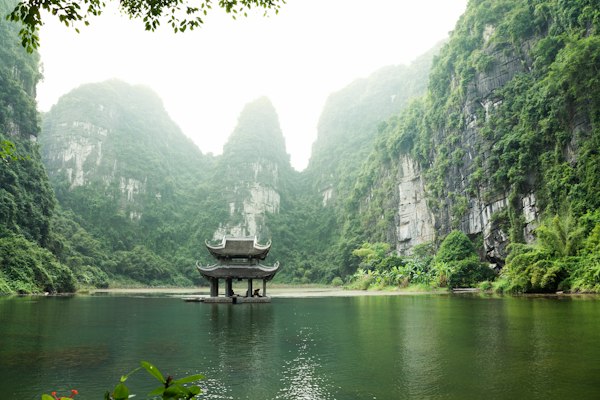
Da Nang
Vietnam · The Underrated Gem
Beach city with mountain hiking 20 minutes away and Hội An’s ancient town 30 minutes south. Vietnam’s most liveable city with excellent fibre internet and Southeast Asia’s lowest costs.
 🇲🇾
🇲🇾
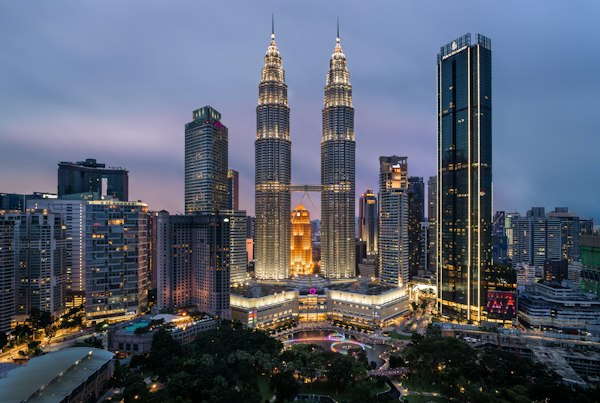
Kuala Lumpur
Malaysia · The Business Hub
English-first, zero tax on foreign income with the DE Rantau visa, world-class international airport, and a food scene that rivals Singapore at half the price.
 🇸🇬
🇸🇬
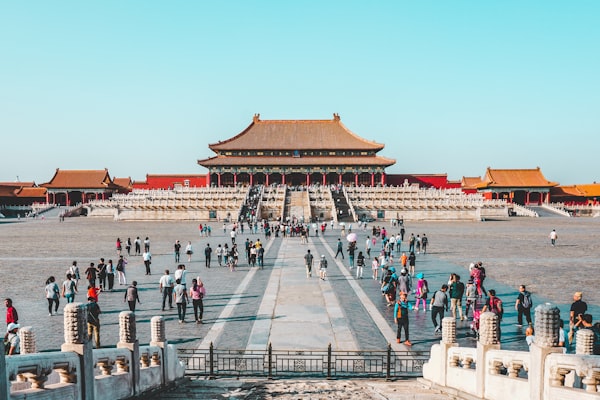
Singapore
Singapore · The Premium Option
The most expensive city in SEA — but with European-level salaries from regional headquarters, world-beating infrastructure, and a gateway to the entire region via Changi Airport.
 🇵🇭
🇵🇭
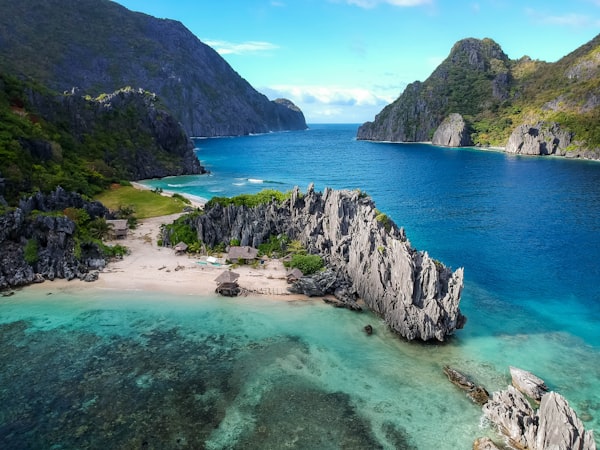
Siargao / Cebu
Philippines · The Wild Card
The Philippines is the fastest-growing nomad destination of 2026. English is a first language, the people are extraordinarily warm, and the 7,641 islands provide endless exploration.
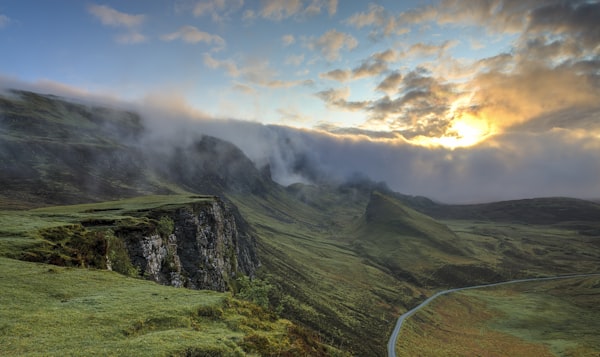
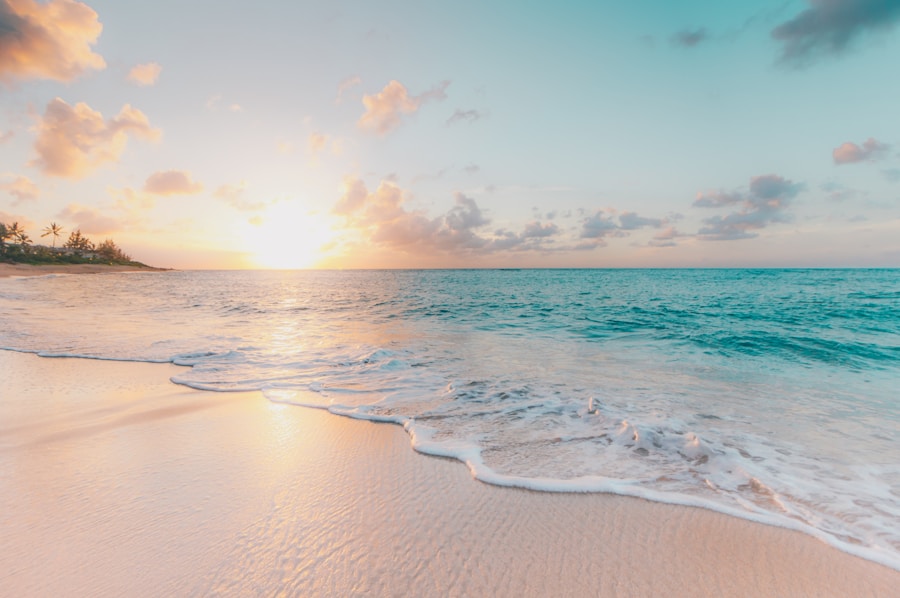
Life in Southeast Asia
The landscapes, cafés, and moments that make digital nomads stay — and never want to leave



Arabic Summary · ملخص بالعربية
لماذا يختار البدو الرقميون جنوب شرق آسيا؟ — ملخص شامل
في عام 2026، يعمل نحو 40 مليون شخص حول العالم كـ”بدو رقميين” — أي أنهم يعملون عن بُعد بينما يتنقلون بين دول العالم. وأكثر من ثلثهم يُقيم في جنوب شرق آسيا أو يزورها سنوياً. هذا المقال يكشف الأسباب السبعة الجوهرية التي تجعل هذه المنطقة الخيار الأول عالمياً لهذه الشريحة المتنامية من العمال المستقلين والمهنيين الرقميين.
-
تكلفة المعيشة المنخفضة — الدخل الغربي بحياة استثنائية من يكسب راتباً أمريكياً أو أوروبياً ويعيش في شيانغ ماي أو بالي يحصل فعلياً على زيادة 60-80% في قوته الشرائية. شقة ممتازة بـ 450 دولاراً، ووجبة في مطعع جيد بـ 3 دولارات، وتكلفة معيشة شهرية كاملة تتراوح بين 700 و1,100 دولار — مقابل 4,000–6,000 دولار في نيويورك أو لندن.
-
الإنترنت السريع — التصور القديم لم يعد صحيحاً تتصدر سنغافورة مؤشرات السرعة عالمياً، وتتفوق تايلاند على بريطانيا وأستراليا في متوسط سرعة الجيل الرابع. بالي وحدها تضم أكثر من 500 مساحة عمل مشترك بخطوط ألياف ضوئية مخصصة، وغالبية الشقق في دا نانغ تتضمن اتصالاً بسرعة 200 ميغابت ضمن الإيجار.
-
تأشيرات البدو الرقميين — الشرعية القانونية أخيراً انتهى عصر العمل على تأشيرات سياحية. تايلاند تمنح إقامة 10 سنوات بضريبة 17٪ مسطحة. إندونيسيا 5 سنوات. ماليزيا لا تفرض ضرائب على الدخل من المصادر الأجنبية عبر تأشيرة DE Rantau. المنطقة بأسرها تتنافس لاستقطاب العمال الرقميين كفئة ضريبية.
-
المجتمع الكثيف — العزلة مستحيلة هنا مشكلة الوحدة هي الشكوى الأولى للعمال عن بُعد، وجنوب شرق آسيا حلّتها. 2.4 مليون بدو رقمي في المنطقة، مع شبكات اجتماعية من مبدعين ومطورين وكتّاب بُنيت حول الخيار الحياتي المشترك ذاته.
-
الثقافة والطعام — ثراء لا يُقدَّر بثمن ست مطابخ وطنية بين أعظم المطابخ في العالم، معابد وحقول أرز وحفلات ثقافية في كل زاوية، وترحيب محلي أصيل يُحوّل الإقامة إلى تجربة إنسانية تُغيّر المنظور. وجبة في مطعم جيد بأقل من 3 دولارات.
-
الطبيعة والمغامرة — نهاية العمل تعني بداية الاستكشاف الانتهاء من العمل الساعة الخامسة يعني الوصول إلى الشاطئ الساعة 5:30 في بالي، أو الجبل في شيانغ ماي، أو أفضل مواقع الغوص في العالم بساعة قارب من الفلبين. 7,641 جزيرة، وغابات مطيرة، وبراكين نشطة — في منطقة يمكن اجتيازها بطائرة ميزانية في ساعتين.
-
الرعاية الصحية — جودة عالمية بتكلفة منخفضة مستشفى بامرونغراد في بانكوك من بين أفضل مستشفيات العالم بأسعار أقل بـ80٪ من أمريكا. علاج الأسنان في تايلاند أو فيتنام بعُشر تكلفة المملكة المتحدة. تأمين صحي دولي بـ 100 دولار شهرياً يغطي المنطقة بأسرها.
أبرز المدن التي يتمركز فيها البدو الرقميون حالياً:
- شيانغ ماي🇹🇭 تايلاند
- بالي / كانغو🇮🇩 إندونيسيا
- دا نانغ🇻🇳 فيتنام
- كوالالمبور🇲🇾 ماليزيا
- سنغافورة🇸🇬 سنغافورة
- سياراو / سيبو🇵🇭 الفلبين
الخلاصة: جنوب شرق آسيا لا تعرض على البدو الرقميين خياراً رخيصاً — بل تعرض خياراً أفضل. الجمع بين الدخل الغربي وتكلفة المعيشة الآسيوية والثقافة الغنية والطبيعة المذهلة والمجتمع الإنساني الدافئ هو معادلة لا تجدها في مكان آخر على الأرض. لهذا لا يرحل كثيرون ممن جاؤوا لشهر — فيبقون لسنوات.
Leave a Reply
You must be logged in to post a comment.